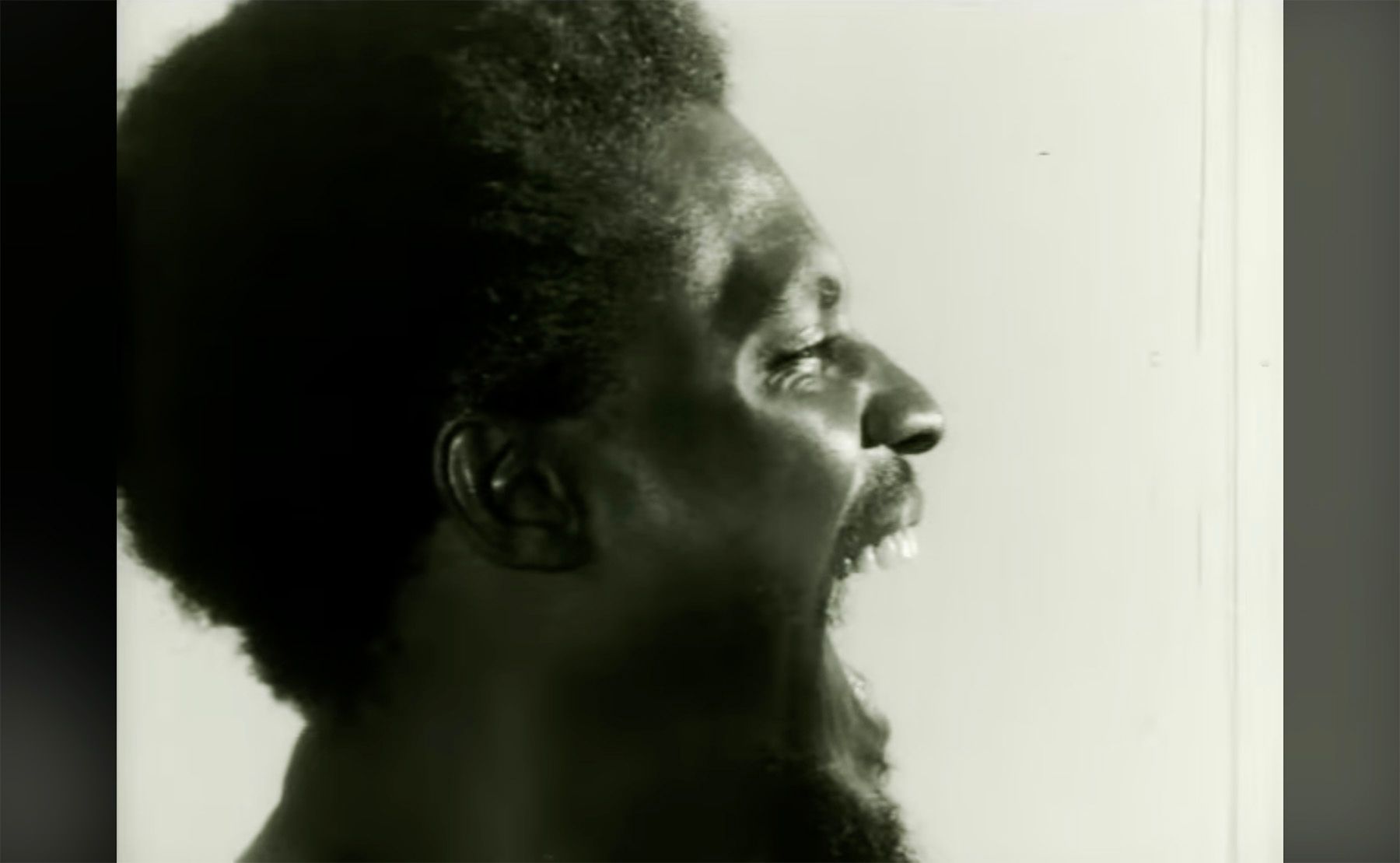
Dalton Paula builds a contemporary quilombo called Sertão Negro
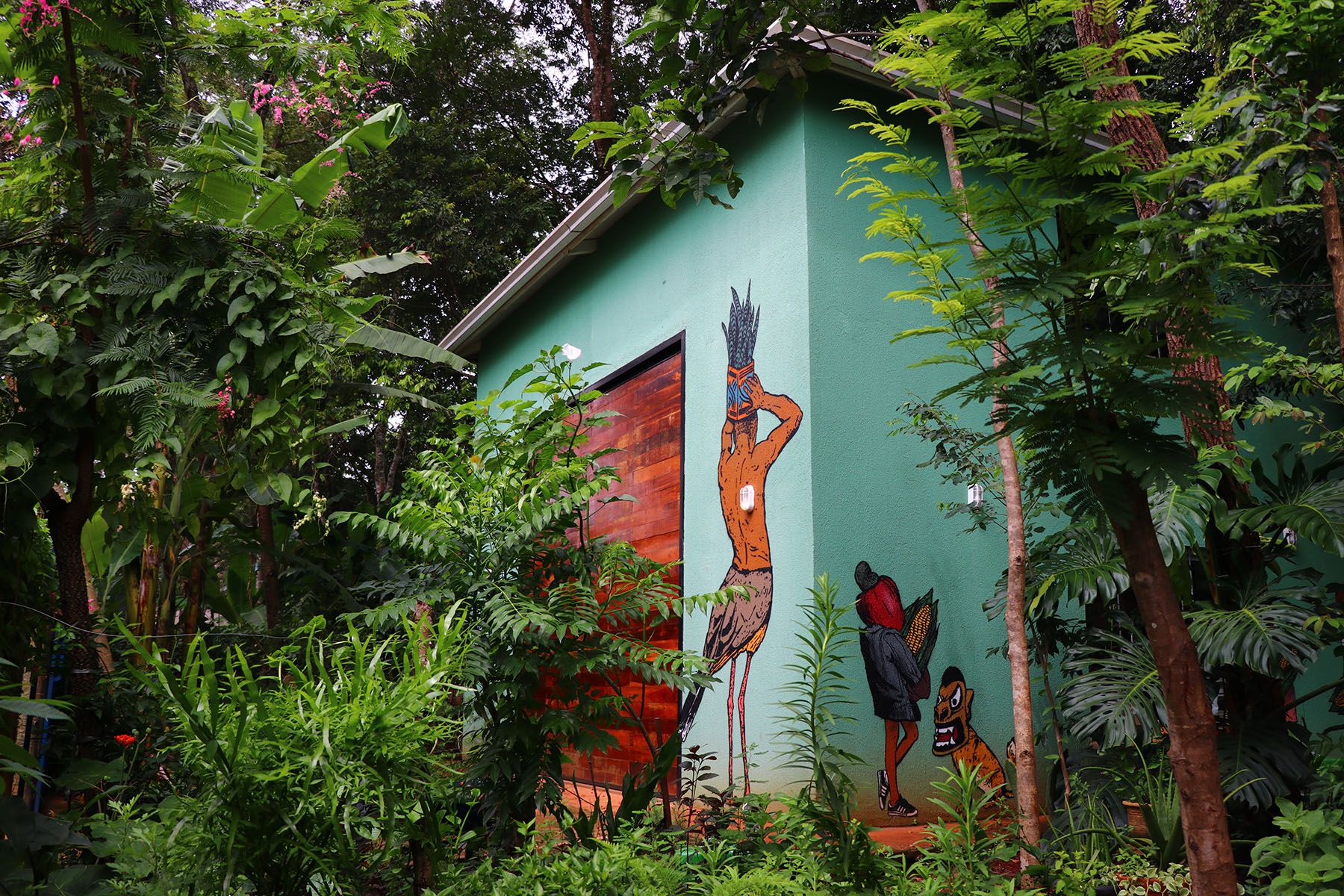
Sertão Negro artistic and cultural complex. Press Photo
Brazilian artist reflects on the making of Sertão Negro, a studio, home, school, and quilombo for Black and Indigenous artists, curators, researchers, and children.
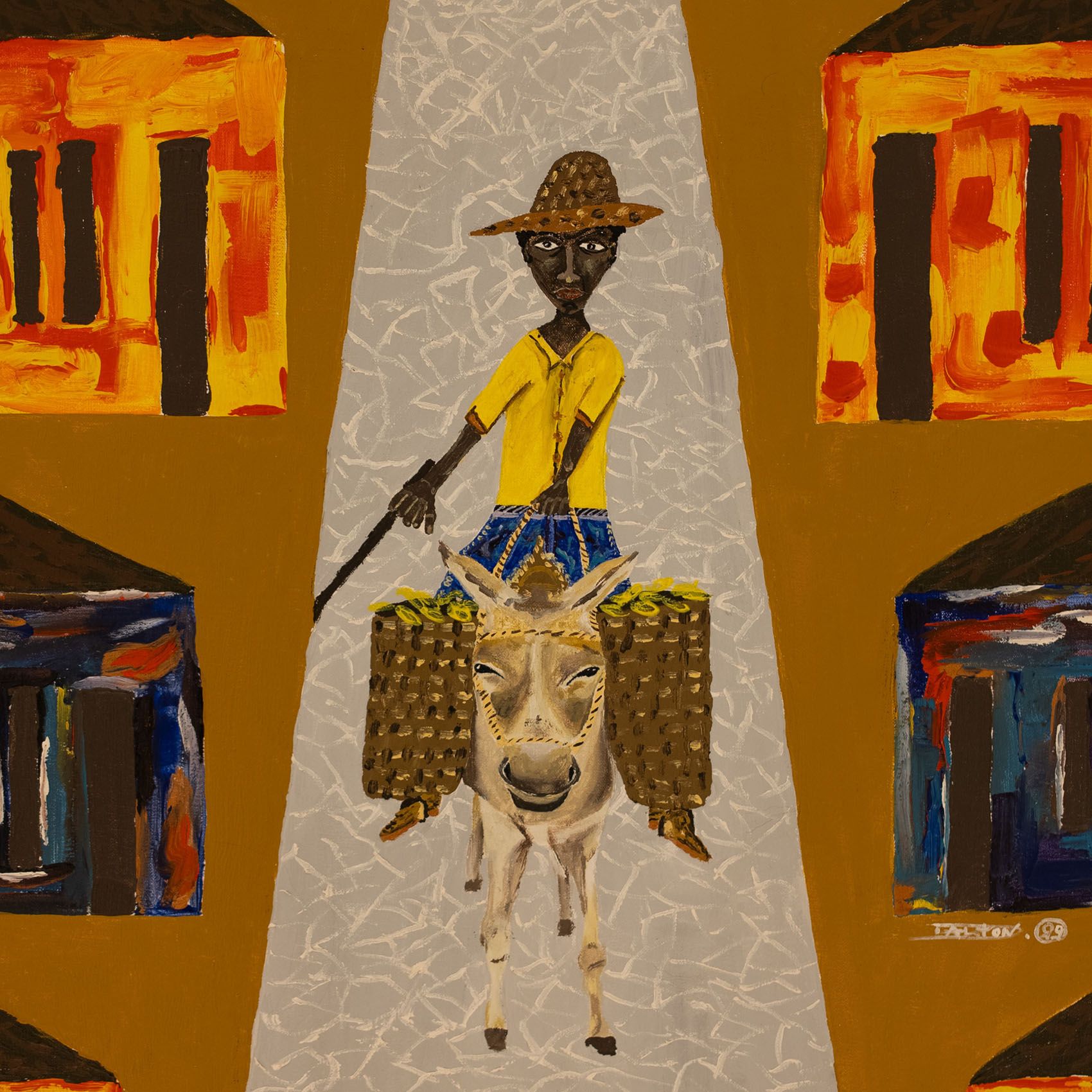
In April 2026, Dalton Paula presented Dupla Cura, his first exhibition at Inhotim, the world's largest open-air museum. The exhibition surveys the artist's career, presenting the Infâncias Negras (2025) series in Brazil for the first time, alongside three works commissioned by Inhotim. The exhibition also serves as a vindication of the years in which the artist was often overlooked, positioning works that were previously dismissed as naïf art alongside his most acclaimed works. It was always there: a reverence for Black beauty, with particular attention to noses and hair, everyday life in the Brazilian countryside, the power of spirituality, the potential of children.
With works in the collections of both the Pinacoteca in São Paulo and MoMA in New York, Dalton Paula has gained widespread recognition over the past decade. Only then was he able to leave behind his twelve-year career as a military firefighter and devote himself exclusively to art. In Brazil, his work has become emblematic of the discussion around the erasure and underrepresentation of Black people in the country’s history, particularly following his participation in the exhibition Histórias Afro-Atlânticas (2018). At the opening of his exhibition, Paula took the microphone, thanked everyone for coming to Inhotim, and said: "The 'Dalton Paula' brand is taking a step back and increasingly coming to represent the community called Sertão Negro."
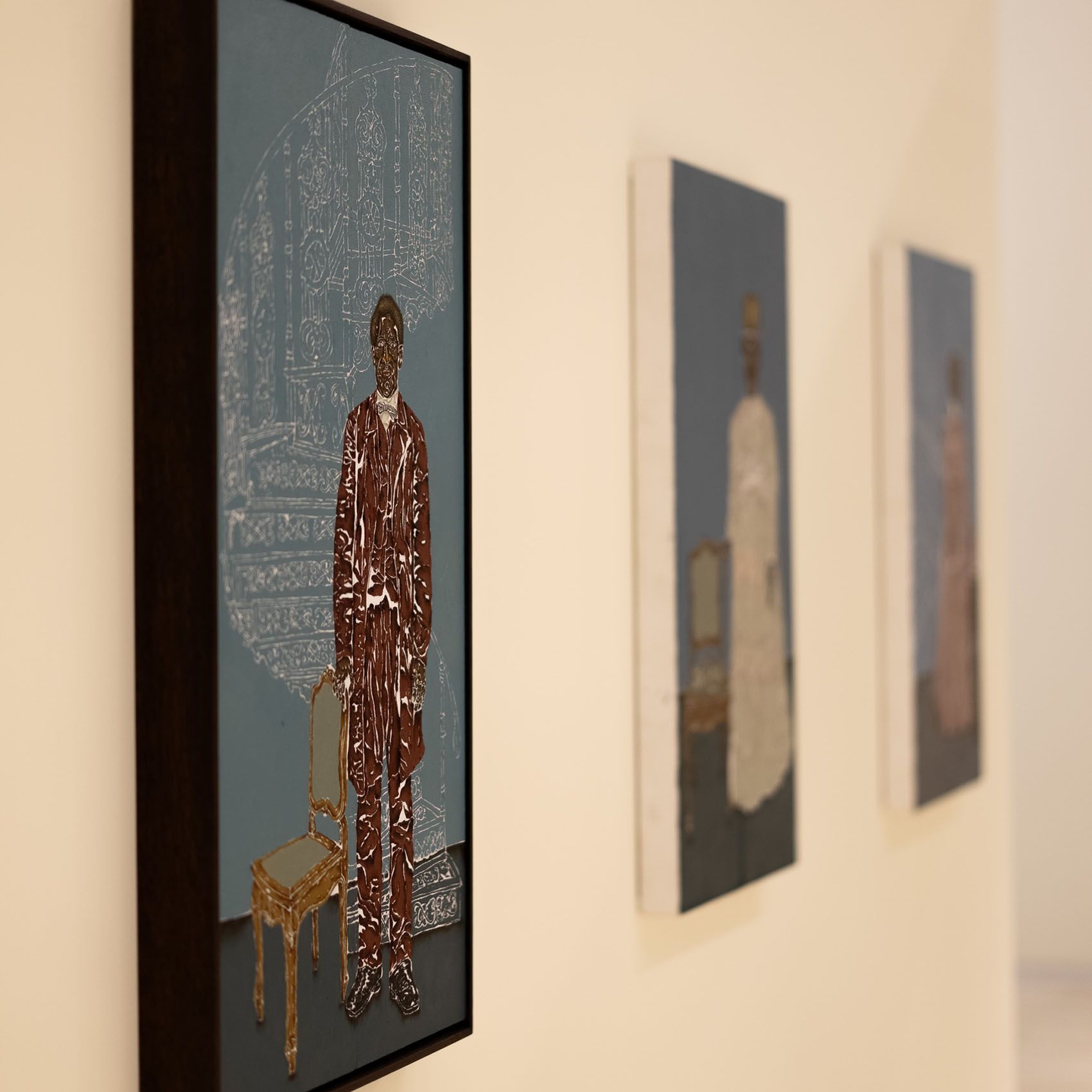
Dalton Paula, Dupla Cura exhibition, Inhotim. Photo: Marcela Christo
Part studio, part home, part school, Sertão Negro, located in Goiás, began in 2021 with a challenge from Dalton to visual arts students. "The initial idea was to open the studio," he recalls in an exclusive interview with C&AL on the eve of its opening. Our conversation took place in one of Inhotim's gardens, which had been replanted especially for the exhibition with yellow and white axé flowers. The Mata Gallery, which houses the exhibition Dupla Cura (Double Cure), was also filled with plants associated with Afro-Brazilian religions, such as snake plants and dieffenbachia. Spirituality is such a central theme for Dalton that it permeates the way he interprets the world and, consequently, appears in both his work and in how he conceives the role of Sertão Negro. "So I started speaking at universities and I would say, 'Look, they're not going to open the door for you, you have to get in through the crack, through the fissure,'" he says.
According to Dalton, the following day, a student went to his studio asking for an internship. And that’s how Sertão Negro began: by welcoming students and recognizing their needs and languages, from drawing to clay. In five years, this home and studio space has become one of the country's leading artist residency programs, a school offering classes ranging from ceramics to capoeira, a library with over 4,000 titles, and a community garden spread across more than 6,000 square meters.
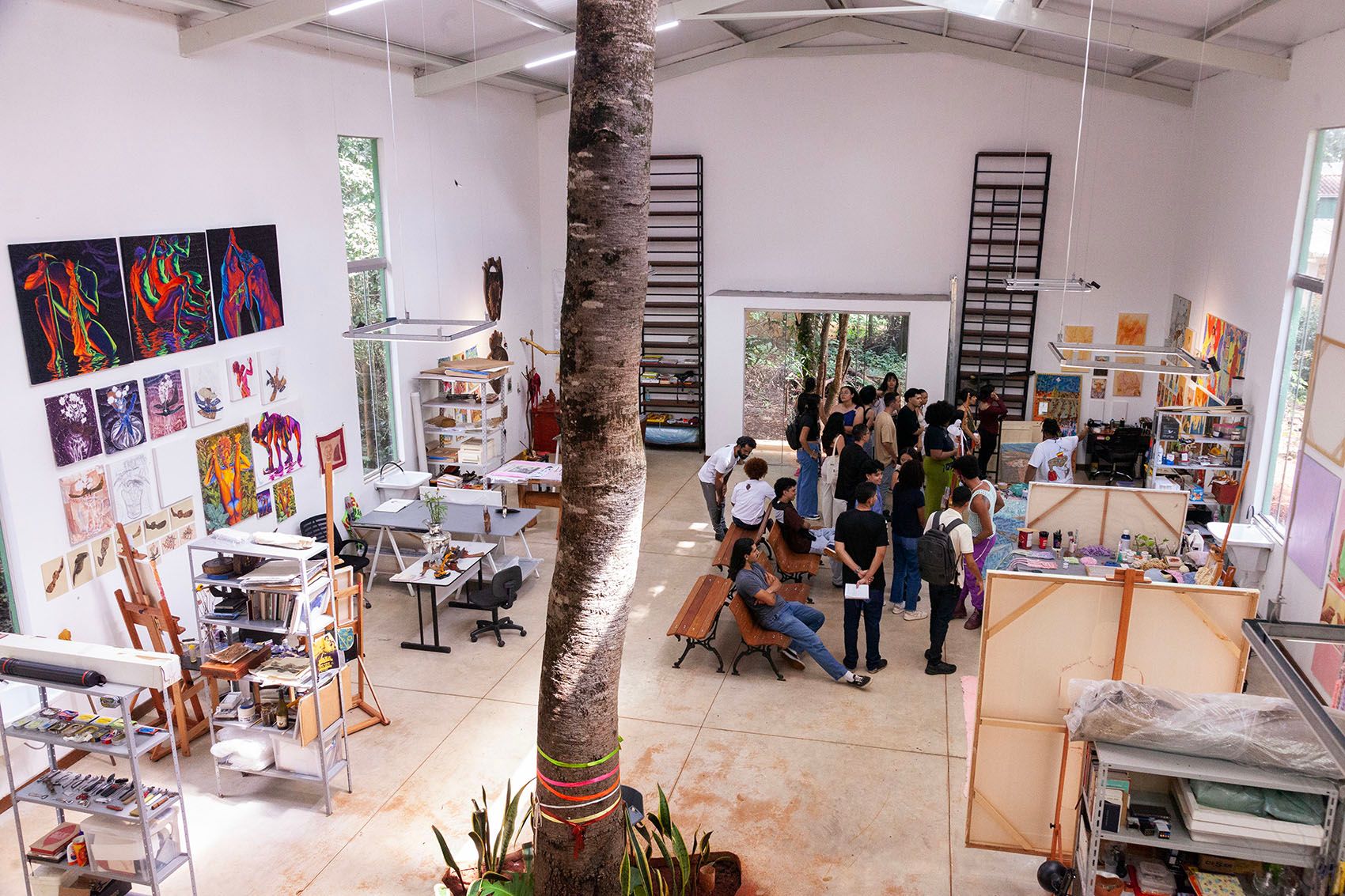
Sertão Negro artistic and cultural complex. Press Photo
In 2025, Sertão Negro started a music school for children. At the opening of the exhibition at Inhotim, the public was greeted by a choir of thirty Black children. They slipped their slender bodies into tubas and placed their hands on musical instruments such as atabaques and xequerês. Then they began to sing: "No one heard a single cry of pain in the song of Brazil." It was Canto das Três Raças, a samba classic immortalized by Clara Nunes and written by two of the genre's greatest composers, Paulo César Pinheiro and Mauro Duarte. "A sad lament has always echoed, ever since the Indigenous warrior was taken into captivity and sang from there / The Black man raised a song of revolt across the skies of the Quilombo dos Palmares, where he took refuge."
"Quilombo" is the name for a type of autonomous social, political, and economic organization that dates back to the time of slavery in Brazil, but in recent years the word has found its way back into the everyday speech of Brazilians. This is in part because, in the 1970s, historian Beatriz Nascimento reclaimed the term, not only to refer to a physical place, but also to name a process of action, a way of confronting racism, a response to a Brazil that still falls far short of the dream of social, political, and racial equality. And if names can endure across centuries, so can dreams.
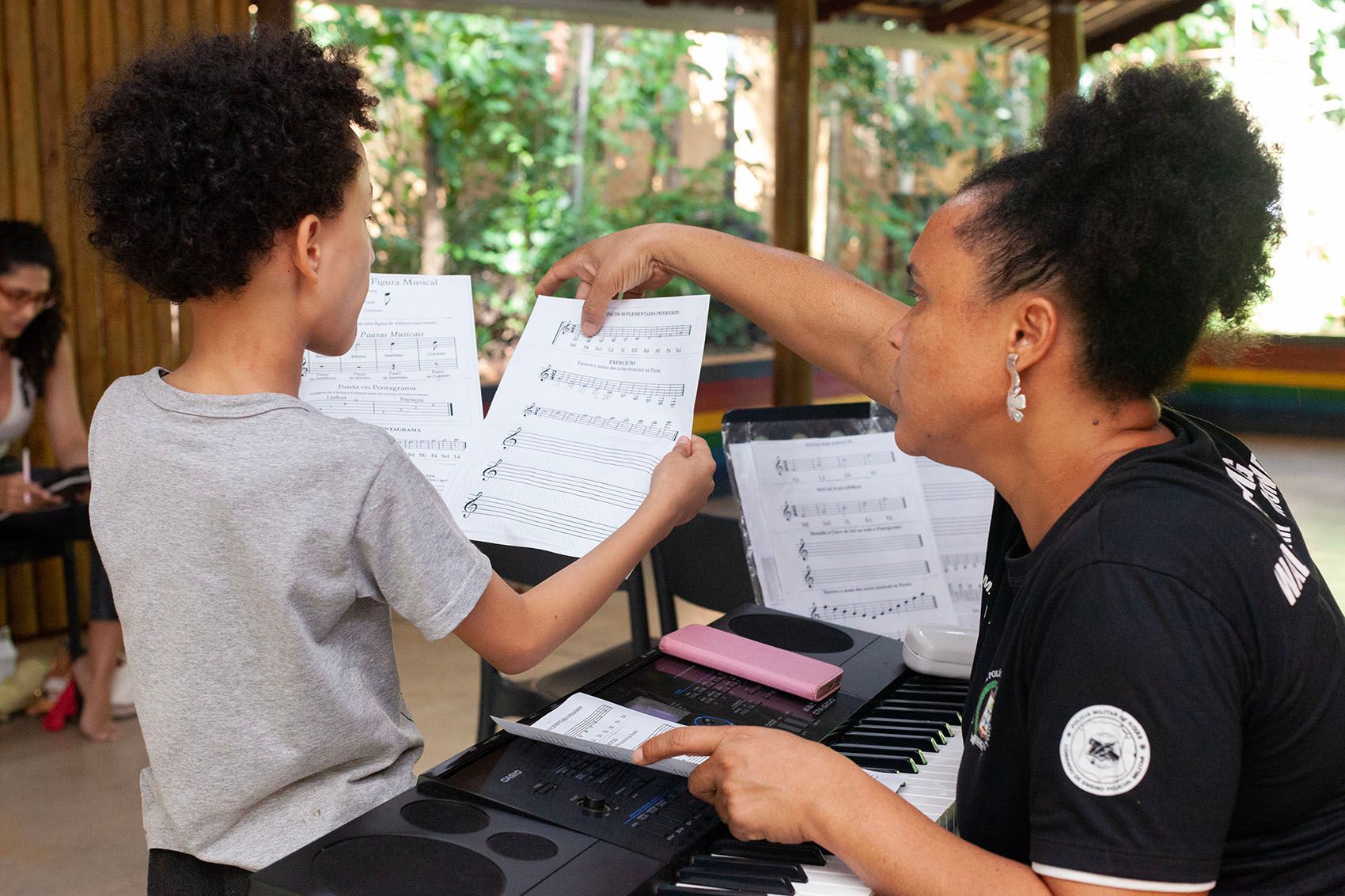
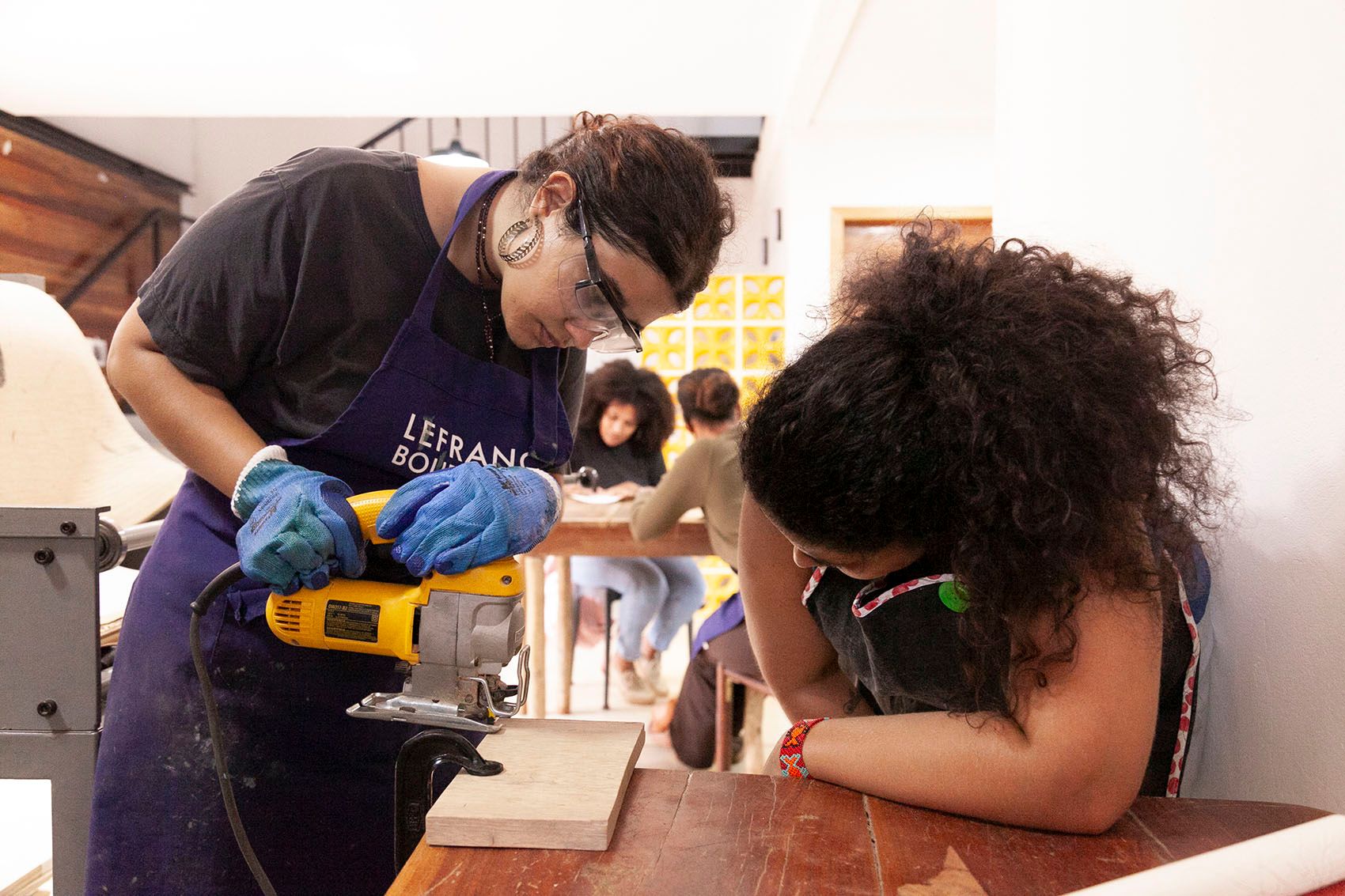
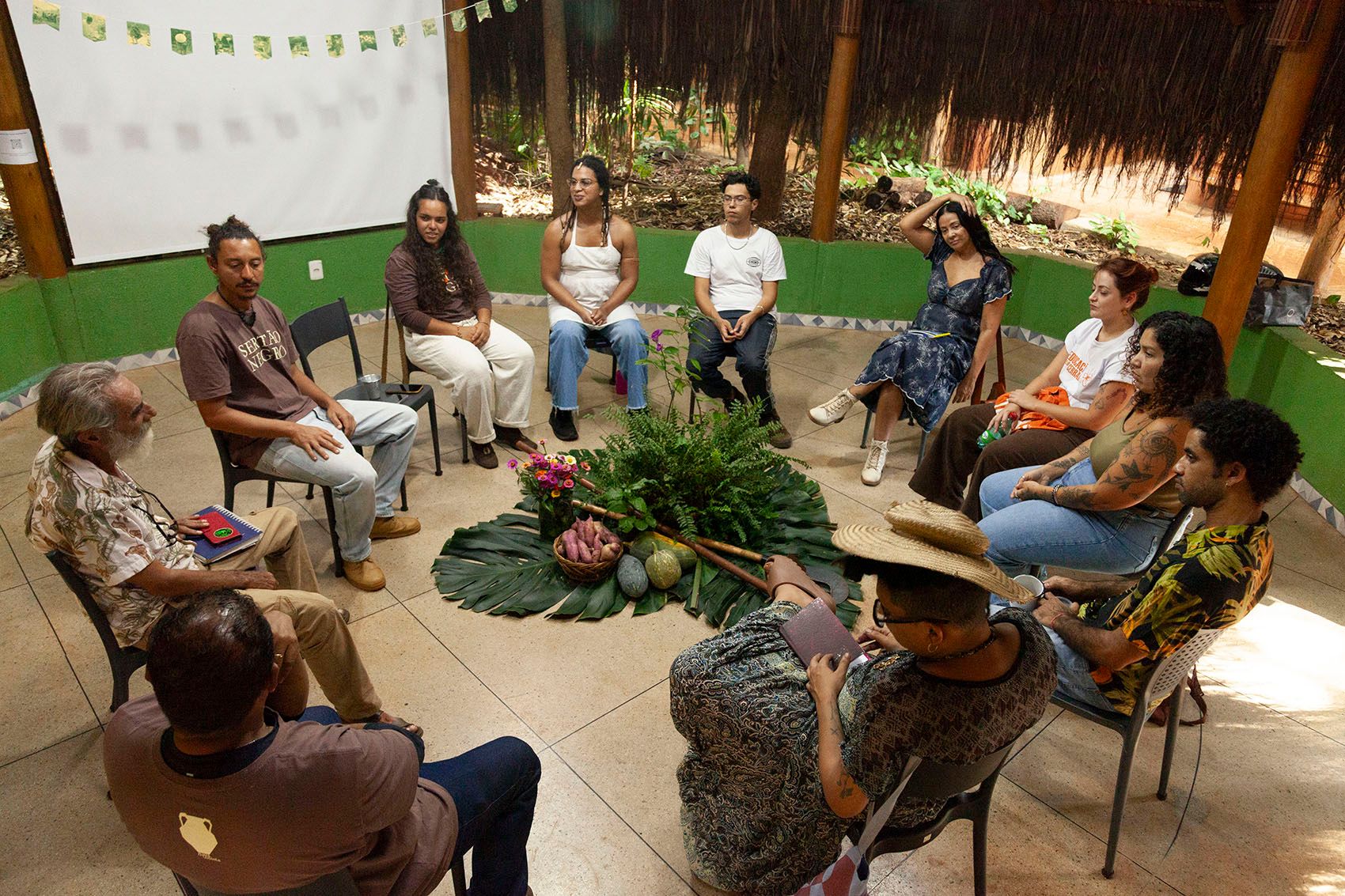
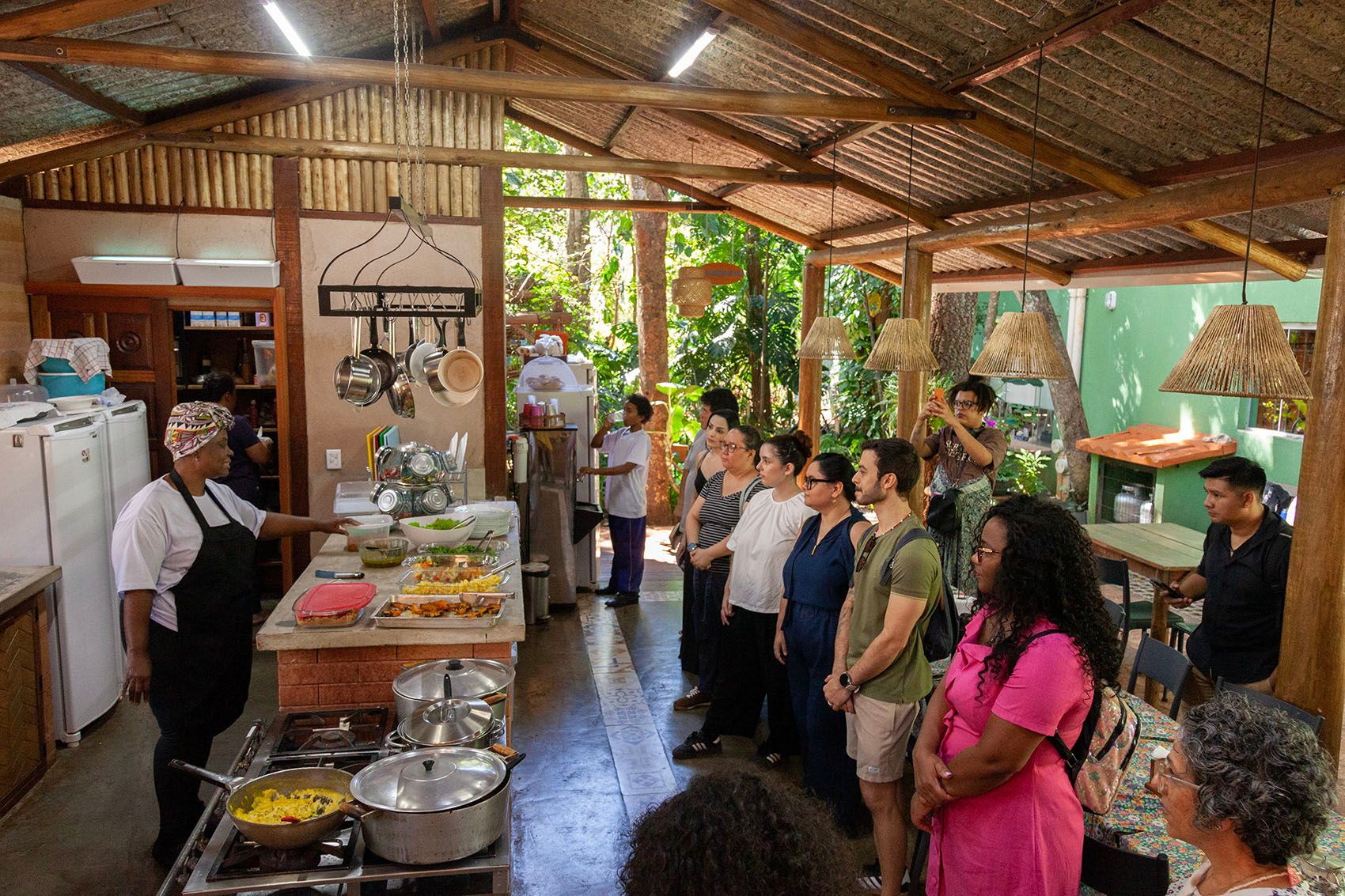
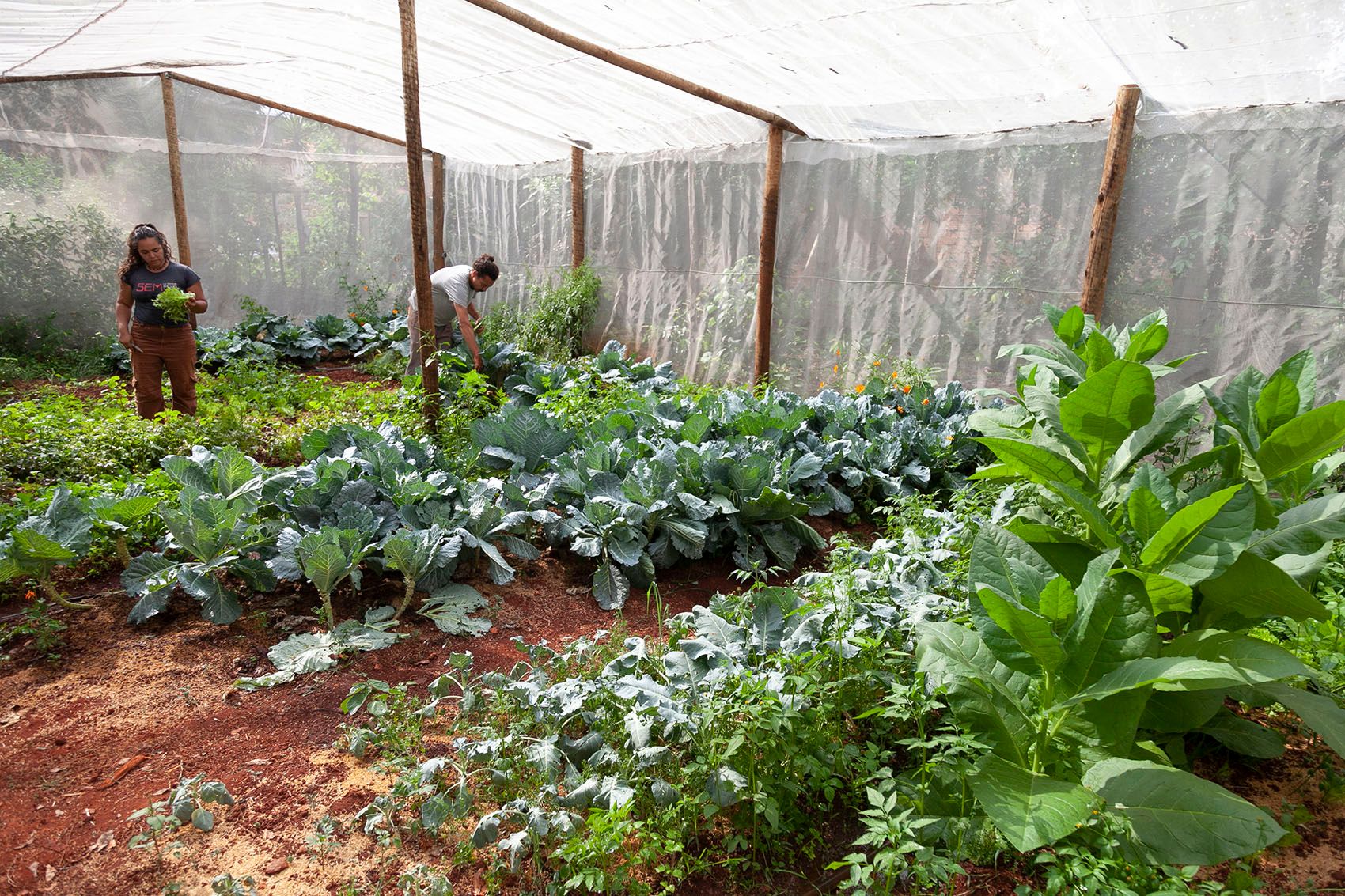
Since 2021, Dalton has been building this community of Black artists, curators, researchers, teachers, and students called Sertão Negro in the heart of Goiás, in Brazil’s Central-West region. Sertão Negro is growing in a region dominated by agribusiness, but that is also home to the largest quilombola territory in Brazil in terms of land area.
"I could live anywhere in the country today, or anywhere in the world, right?" Dalton reflects. “But precisely because Goiás is a state with such a strong history of coronelismo [a system of political power in which large landowners impose conditions of dependency, coercion, physical violence, and electoral control to maintain their power], agribusiness, large landholdings, and these relations of power in a far-right state, I think we have a lot to contribute by going against that, from the way we think about food to education.”
Precisely because Goiás is a state with such a strong history of coronelismo, agribusiness, large landholdings, and these relations of power in a far-right state, I think we have a lot to contribute by going against that, from the way we think about food to education.
During the month-long residencies, participants spend the first week in Quilombo Kalunga, the oldest active quilombo in Brazil today. After that, the group moves to Sertão Negro, where they develop their research projects over the remaining three weeks. “The Sertão Negro artist residency program reflects on how we can provoke imaginaries that lie outside the common repertoire,” says Melissa Alves, curator of Sertão Negro’s residency program and a 2026 PIPA Foundation residency recipient.
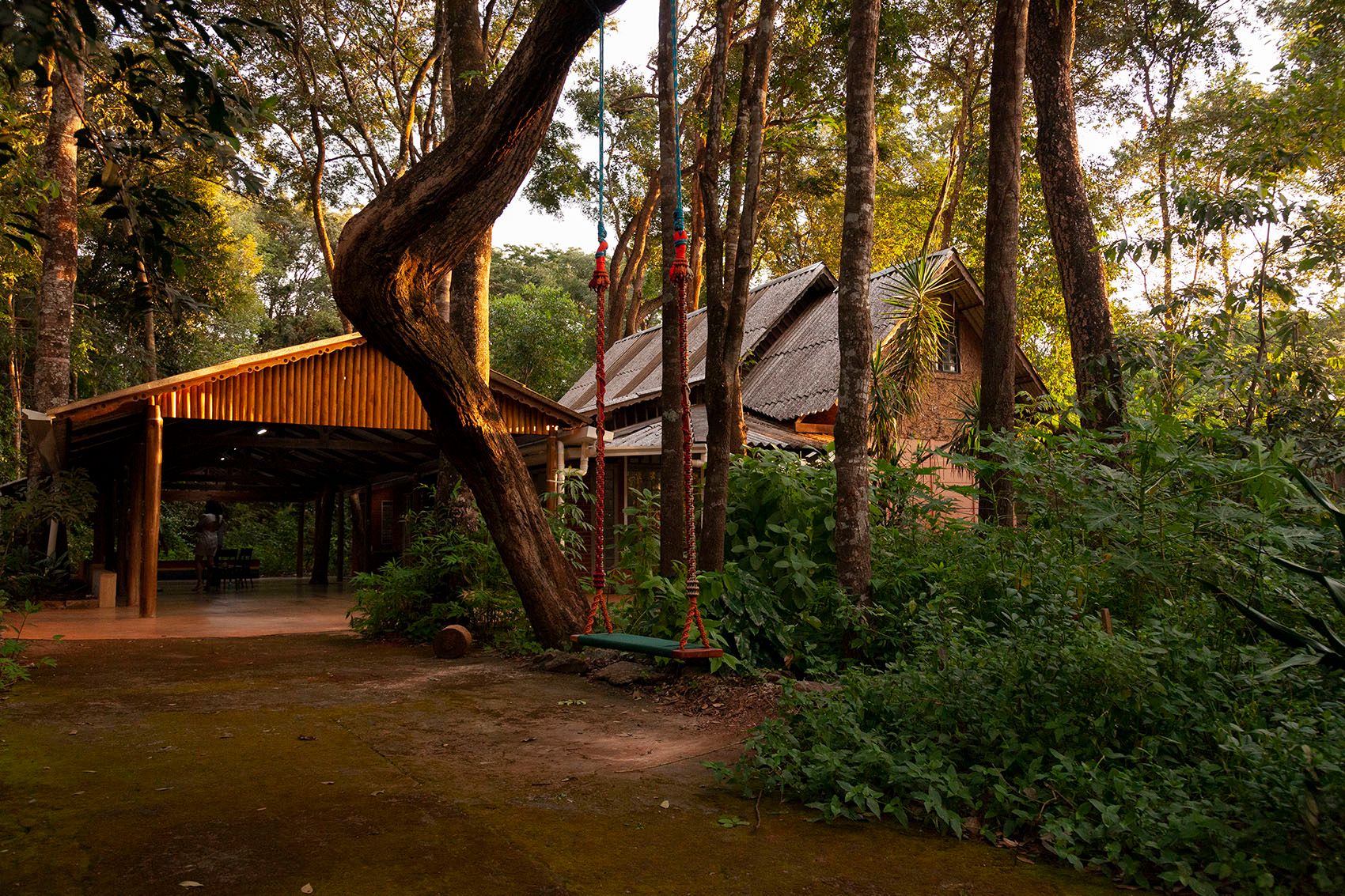
Sertão Negro artistic and cultural complex. Press Photo
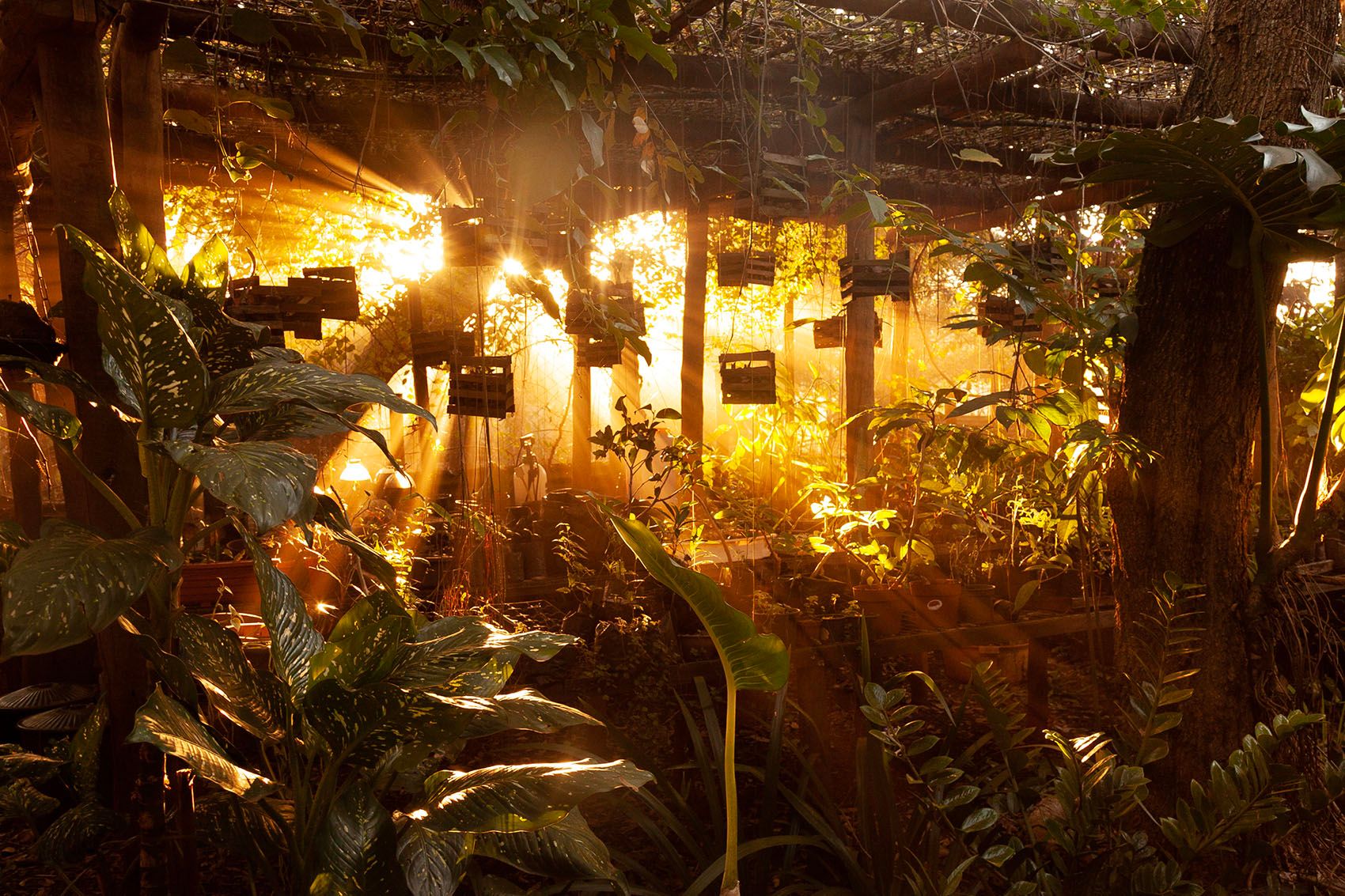
Sertão Negro proposes a reversal of values, both on a subjective and a practical level. In one stroke, Dalton decentralizes the Brazilian Southeast’s dominance of the art market by positioning his own artistic production, as well as fostering a Black artistic community, in Brazil’s Central-West. At the same time, he proposes another way of approaching artistic work, taking the community—not large institutions—as its starting point. In practical terms, Paula invests the money he earns from his work in land for a community that identifies itself as a contemporary quilombo. “Many artists dream of sharing their legacy, too, and of creating art rooted in community, infused with political meaning,” says Beatriz Lemos, artistic director of Sertão Negro and curator of the survey exhibition Dupla Cura, on view since April 2026. "Dalton is one of the rare people who has managed to do this, and he has become part of a collective that extends beyond him, it is a living body."
About the author
Thaís Regina
Thaís Regina is a journalist. She has collaborated with institutions such as the Memorial da Resistência and the Museu Paranaense, and with media outlets such as Folha de São Paulo, Rádio Novelo Apresenta, Quatro Cinco Um, Selo Sesc, and Projeto Afro.
Feature
Sara Flores and the pre-Columbian Designs that Encode Indigenous Cosmology and Healing
The Art Circuit in Salvador da Bahia Democratizing Exhibition Making
A Journey into the Inaugural Museum of Belizean Art
Feature
The Indigenous Sci-fi Love Story about the Climate Crisis and the Power of Language: Itu Ninu

Chavis Mármol: Thinking Manually in the Age of Artificial Intelligence