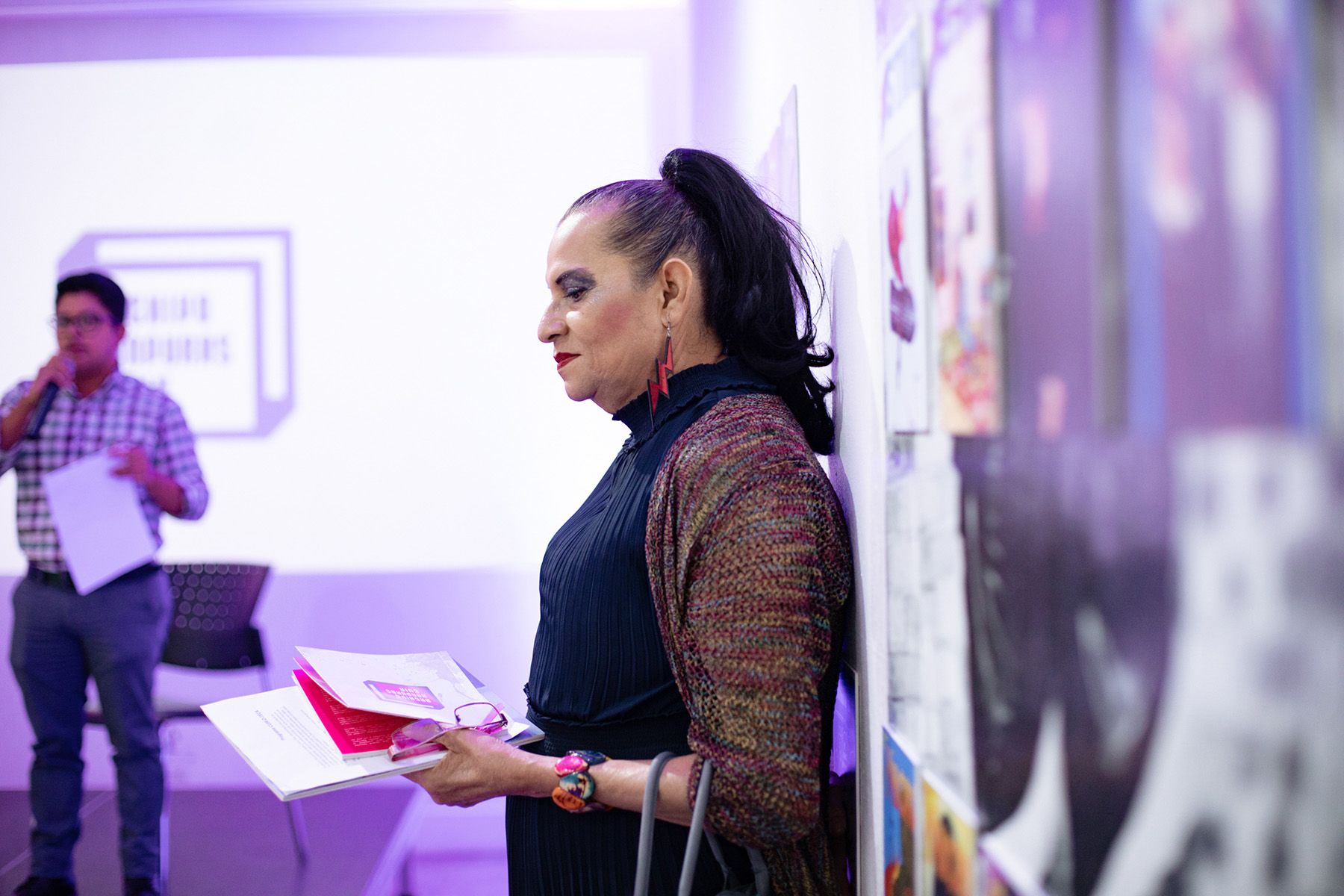
The Art Circuit in Salvador da Bahia Democratizing Exhibition Making
Circuito de Arte em Boteco, 2026. Photo: Geovana Côrtes
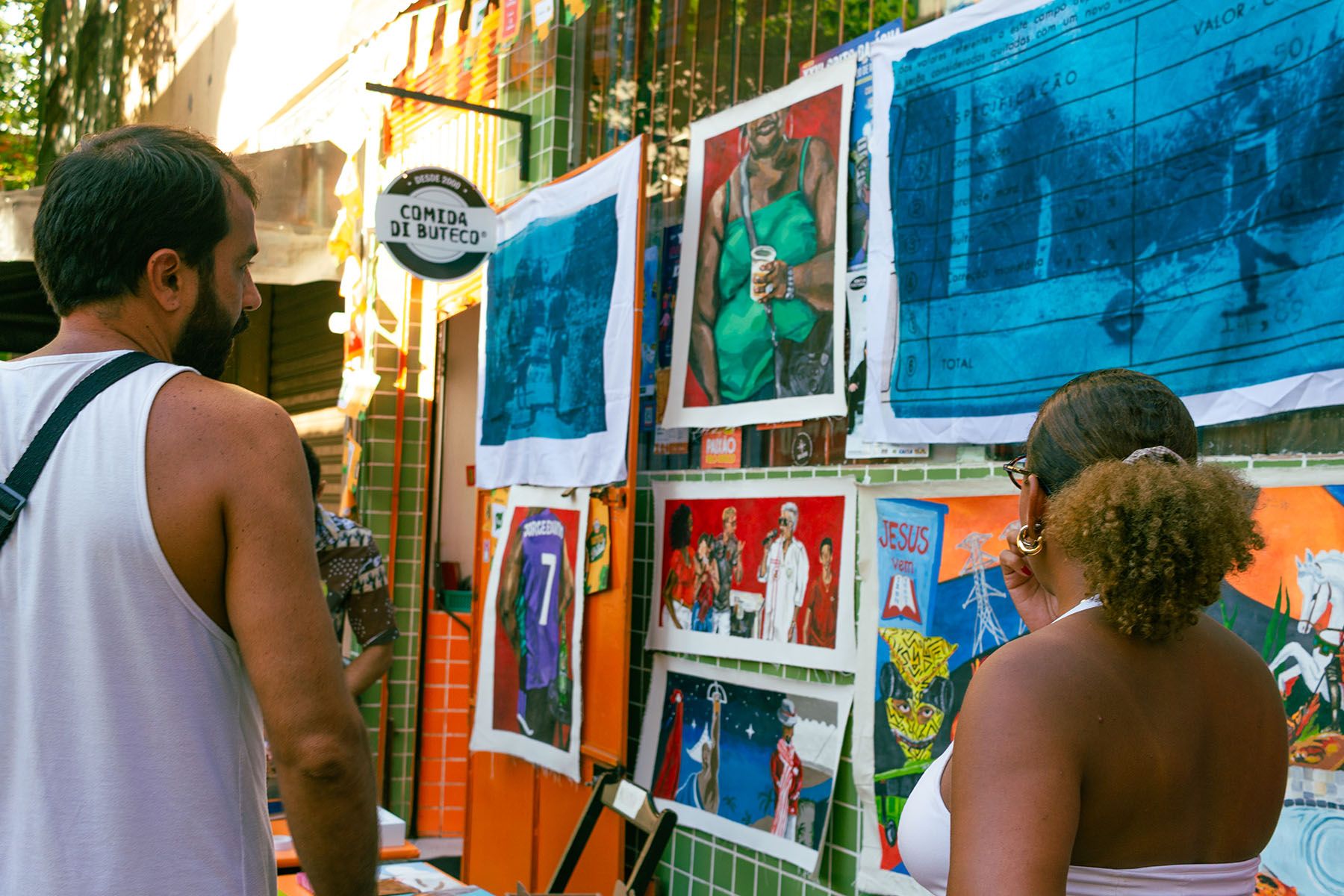
Twice a year, Salvador da Bahia's Circuito de Arte em Boteco (CAB) transforms ten bars in the Dois de Julho neighborhood into exhibition spaces. Founded in 2024 by artists Milena Ferreira and Busca, it rejects institutional curation by operating via an informal open-call process reflecting the area’s social diversity.
Anyone who has ever set foot in Salvador da Bahia will undoubtedly recognize that it is a city that oozes art from every pore. From music to contemporary art, creativity is everywhere. However, despite its rich culture, it’s equally clear that cultural workers in the Northeastern region of this continent-sized country known as Brazil, have fewer opportunities than their colleagues in the Rio-São Paulo corridor.
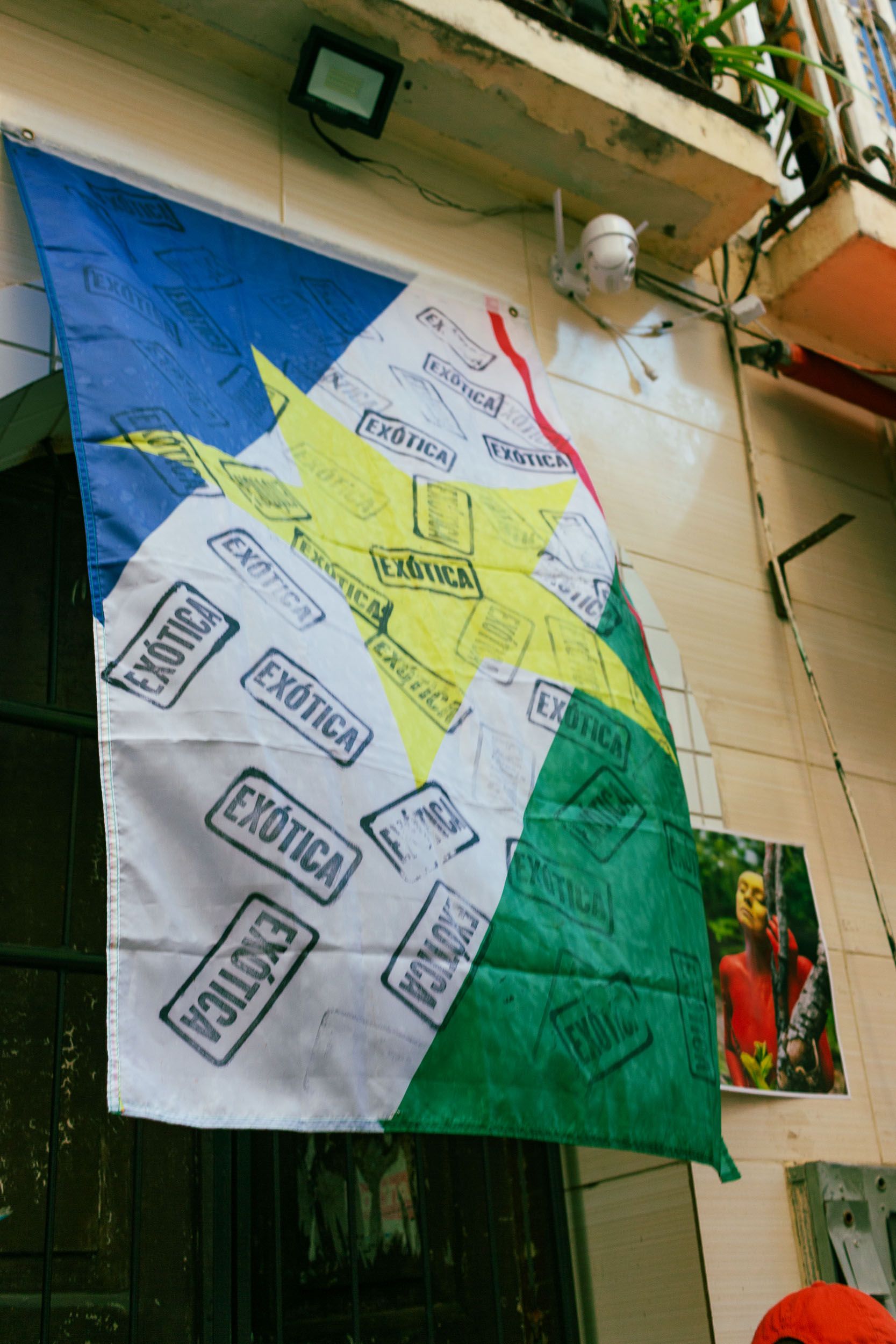
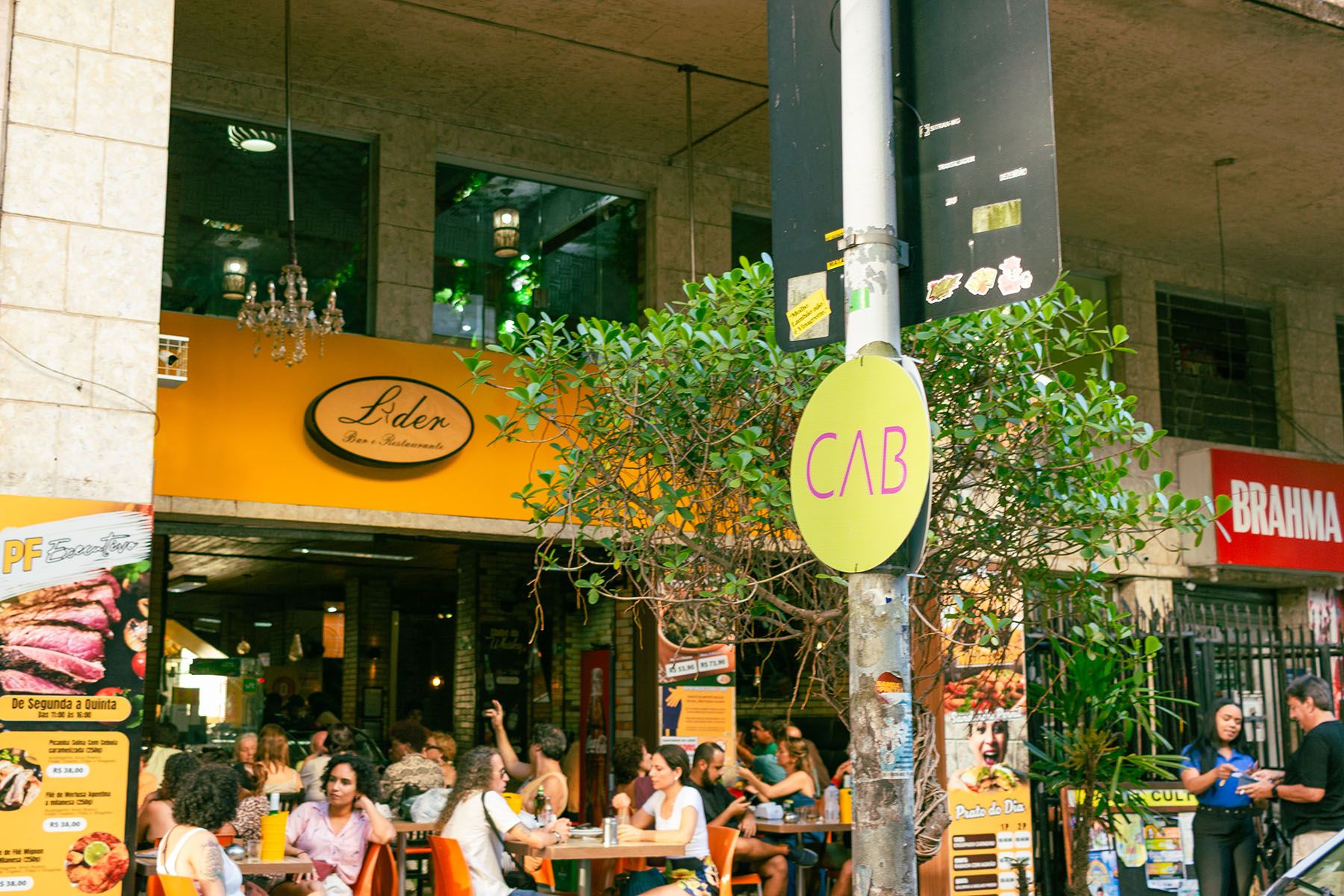
It is within this challenging ecosystem that artists Milena Ferreira and Busca joined forces to create a type of platform they thirsted for but couldn’t find around them. In a city like Salvador, where the very essence of events lies on the streets, Milena and Busca went along with tradition. And so, the Circuito de Arte em Boteco (CAB) was born in 2024. The Circuit takes place over the course of one day, twice a year, in April and September, along a route of approximately 300 meters in the Dois de Julho neighborhood, where ten bars are transformed into exhibition spaces.
Circuito de Arte em Boteco, 2026. Photo: Geovana Côrtes
The neighborhood, in which the two co-founders used to share a house, has historical significance for Salvador and is characterized by a daily coexistence of different social classes, generations, and lifestyles. This diversity is one of the circuit's greatest assets, while also reflecting the city's historical inequalities. Milena and Busca envisioned the CAB not as an external intervention seeking to fix or evade these realities, but as an initiative that strengthens an existing network of relationships among residents, bar patrons, and art practitioners, by highlighting existing relationships and everyday encounters.
Marcus Deusdedit, an artist from Belo Horizonte who participated in the most recent edition, heard about the CAB quite literally at a bar’s table, from the co-founder Busca himself. The selection process takes place through a simple open call, which Marcus believes reinforces the spirit of the Circuito. “You submit it with the same casual attitude as when you order another beer at the bar,” Marcus recalls. For an artist like him who has spent his career in an institutional setting, the CAB allowed him to step outside his comfort zone and stand at the intersection of two worlds that rarely meet. He mentions that the proposal also resonated with his artistic work, which draws on his background in architecture and urban planning. “My work is very urban and draws heavily on these popular downtown locations, as well as on the desire to create amid the hustle and bustle,” Marcus says. “The deluge of information that is city life.”
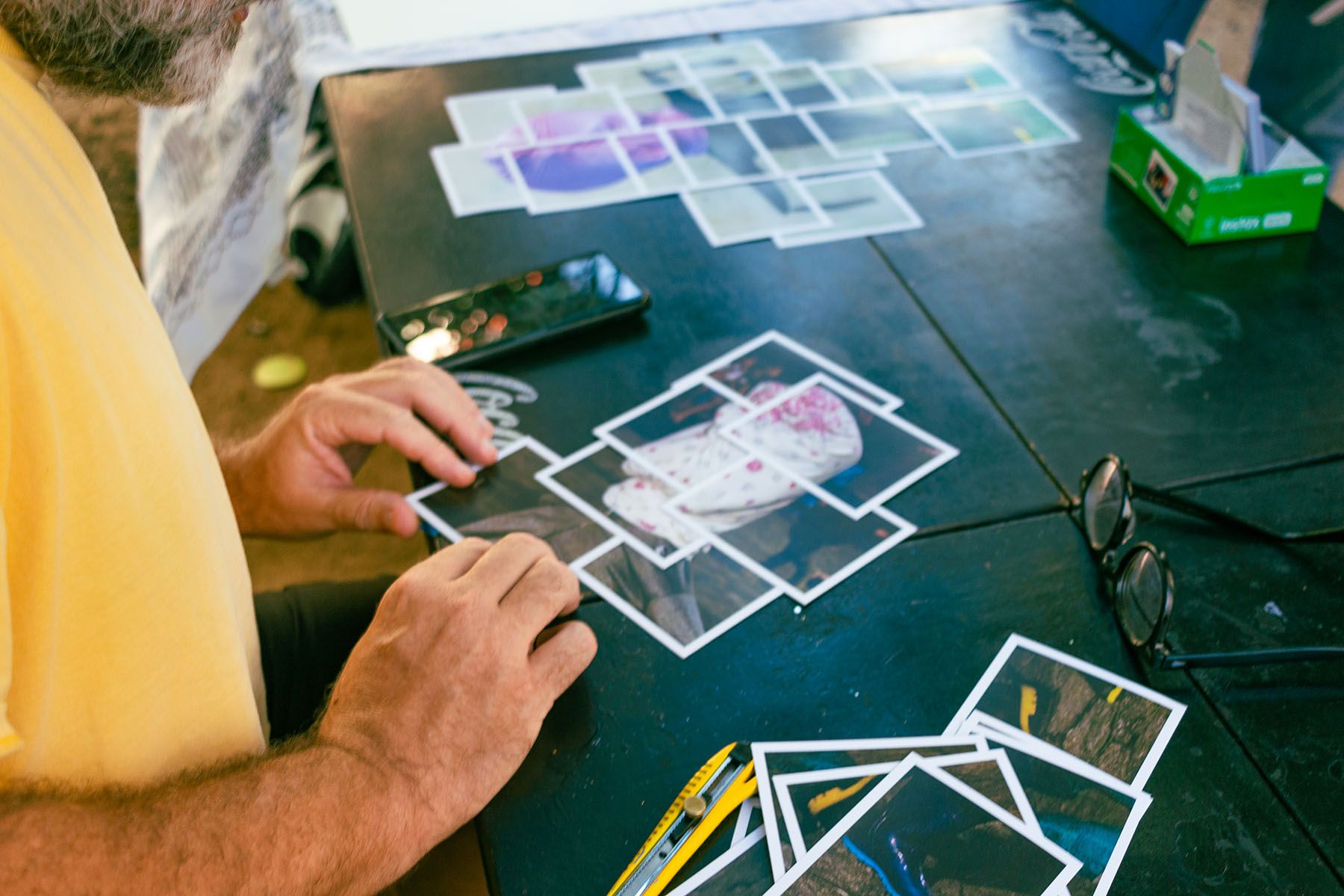
Circuito de Arte em Boteco, 2026. Photo: Geovana Côrtes
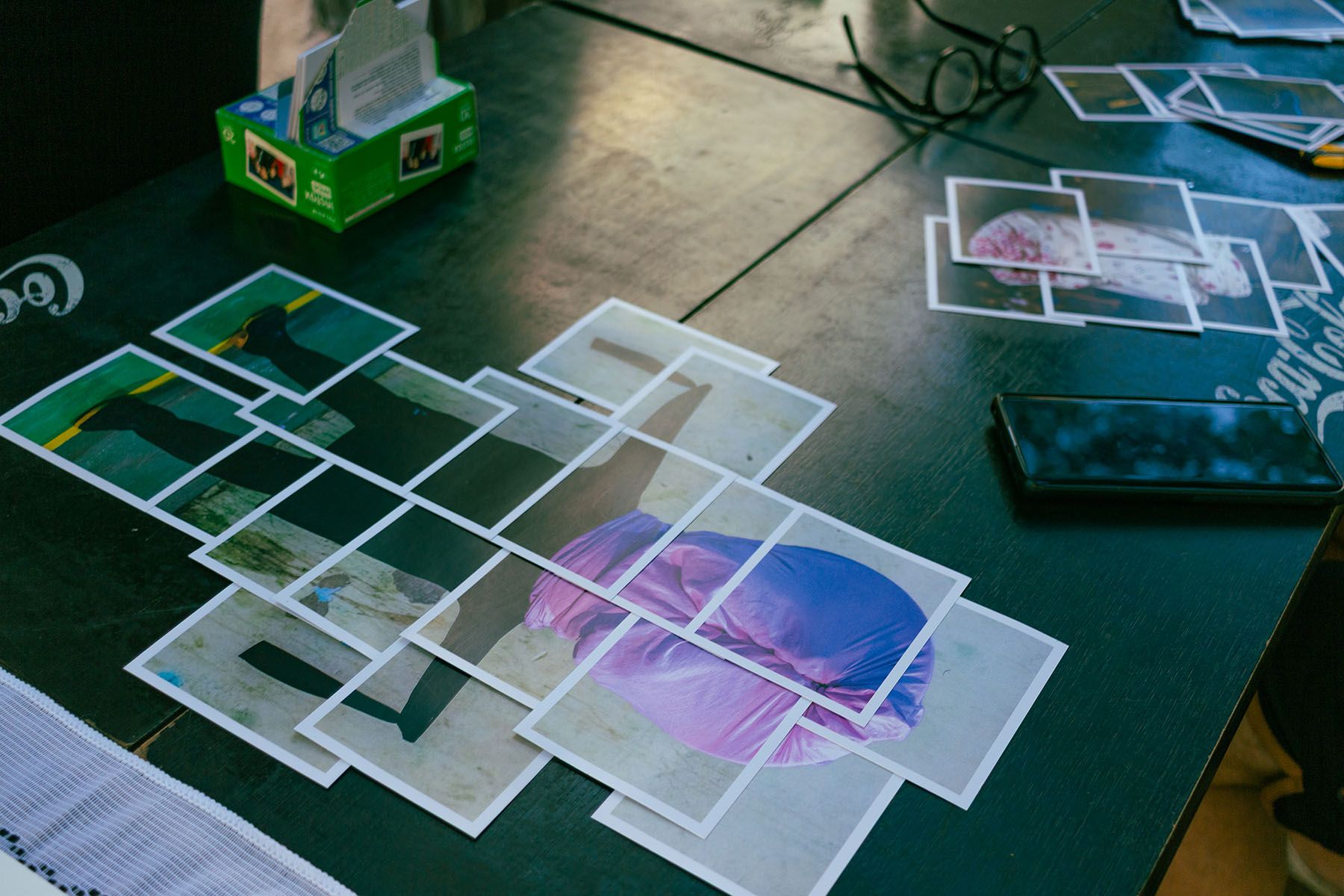
Kleyson Otun Elebogi, a 49-year-old artist, researcher, and professor of visual arts at the Federal University of Recôncavo da Bahia, first discovered the CAB on social media. He appreciated the non-curatorial approach of the circuit. In fact, each artist is invited to present their work in whatever way they find most interesting. According to Kleyson, the CAB resonates with the social reality of the neighborhood. Despite its historical inequalities, Dois de Julho is also known for being home to a large number of people connected to culture, the arts, and Salvador’s left-wing intellectual scene. Invited to serve on this year’s jury, Kleyson specifically paid attention to questions of race, gender, age/generation, and geographic origin, in addition to artistic position. Especially considering that, despite its recent creation, the CAB attracts a wide variety of artists at all levels of practice, and from different regions of Brazil.
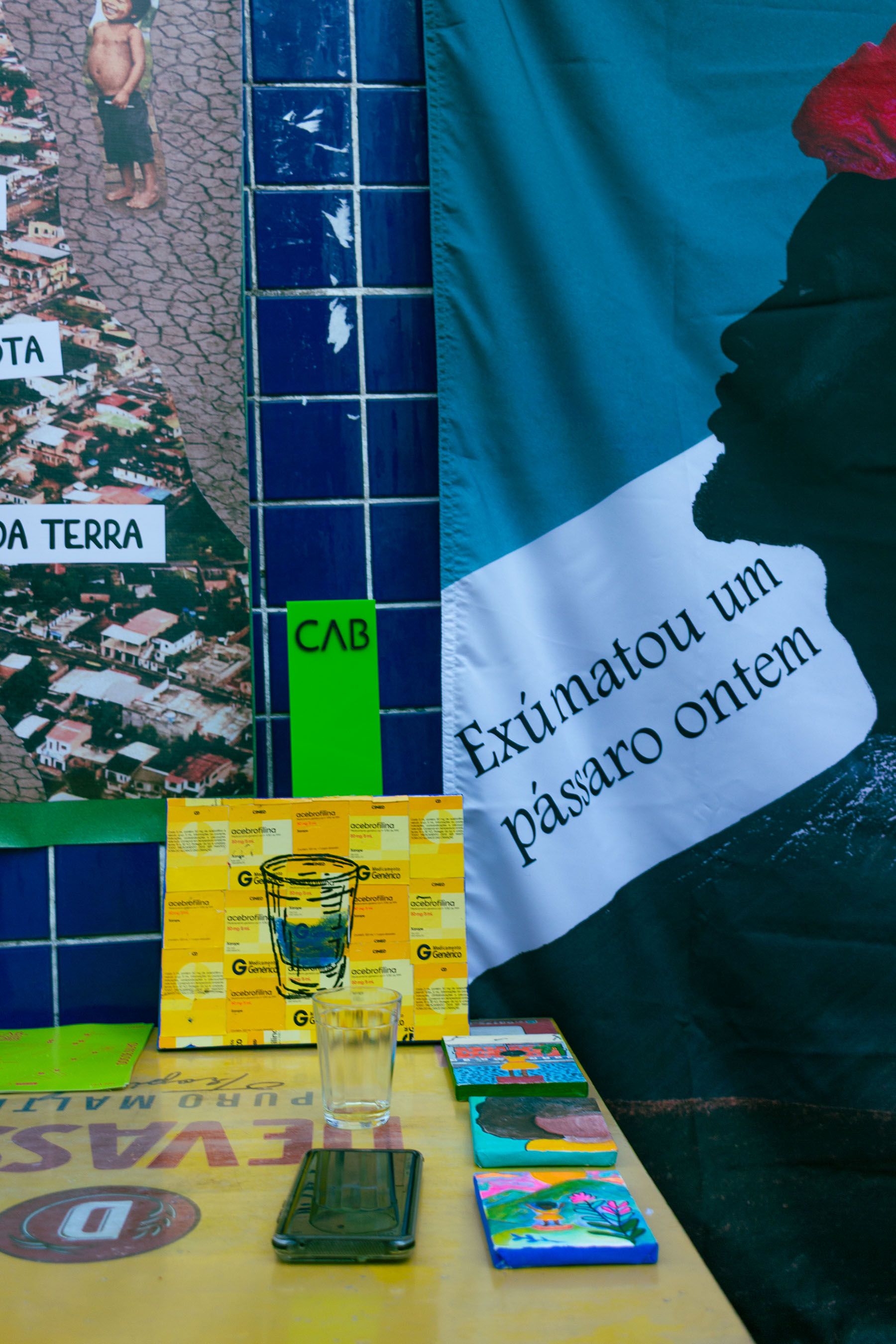
Circuito de Arte em Boteco, 2026. Photo: Geovana Côrtes
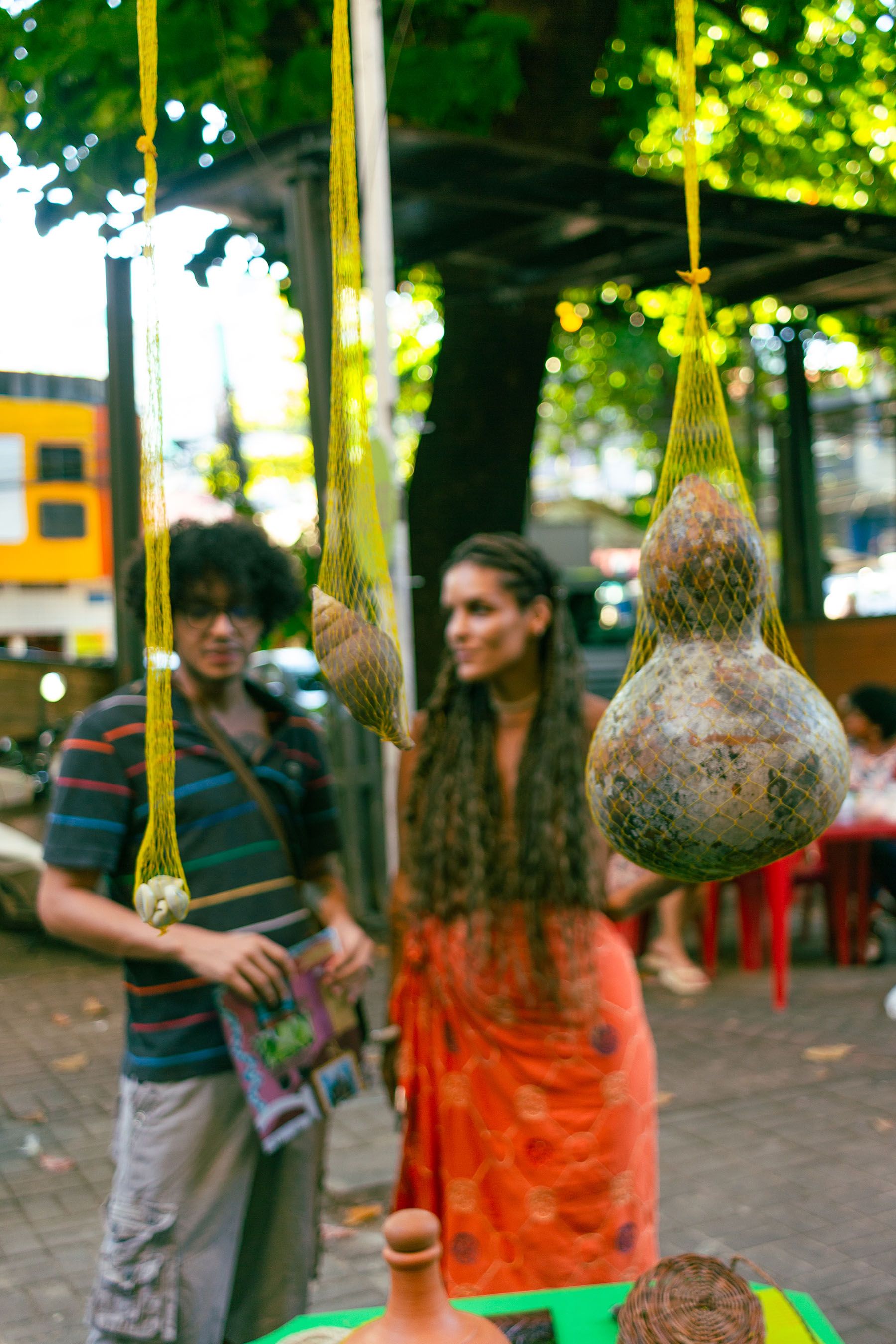
Andressa Moreira, a 28-year-old artist and cultural producer from Rio de Janeiro, was one of the 20 artists selected for the April 2026 edition. For her, getting to Salvador was no easy feat. As a result, being able to participate in the CAB held deep symbolic significance. “I received a lot of help and I also took on a lot of freelance jobs to fund the trip. That’s the reality for independent artists, there’s a tremendous desire to occupy these spaces, but there’s also a whole emotional and financial effort behind the scenes to make it happen," she recalls. Despite the difficulties in getting to Salvador, Andressa would strongly recommend participating in the CAB to other artists, especially those who want to experiment with different formats for presenting their work and engaging with the public. She attests that “there’s something very alive about this circuit, something very human, very unpredictable, and that makes it all the more interesting.”
As with many independent cultural initiatives, the main challenge for the CAB remains the lack of financial resources to adequately compensate everyone involved in the project, from photographers to producers and the artists themselves. Nonetheless, Milena believes that after five editions, the CAB’s success lies in its ability to continue operating independently, and not only once but twice a year. This continuity yields significant benefits, such as increased visibility for the artists and the neighborhood, new opportunities for connection, and a space for discussion about art. It is a real opportunity to show that contemporary visual art doesn’t have to be something inaccessible or reserved for specialists.
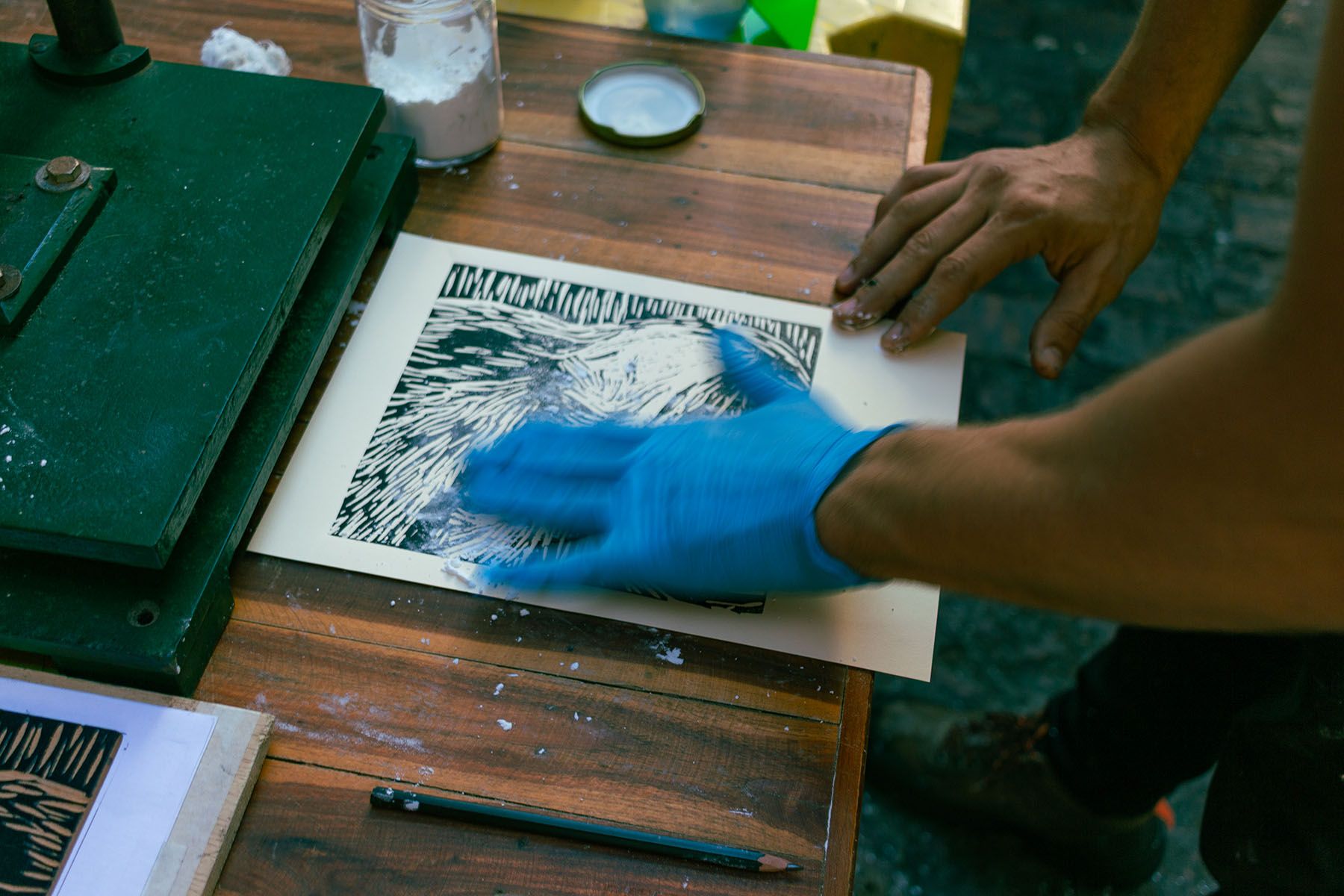
Circuito de Arte em Boteco, 2026. Photo: Geovana Côrtes
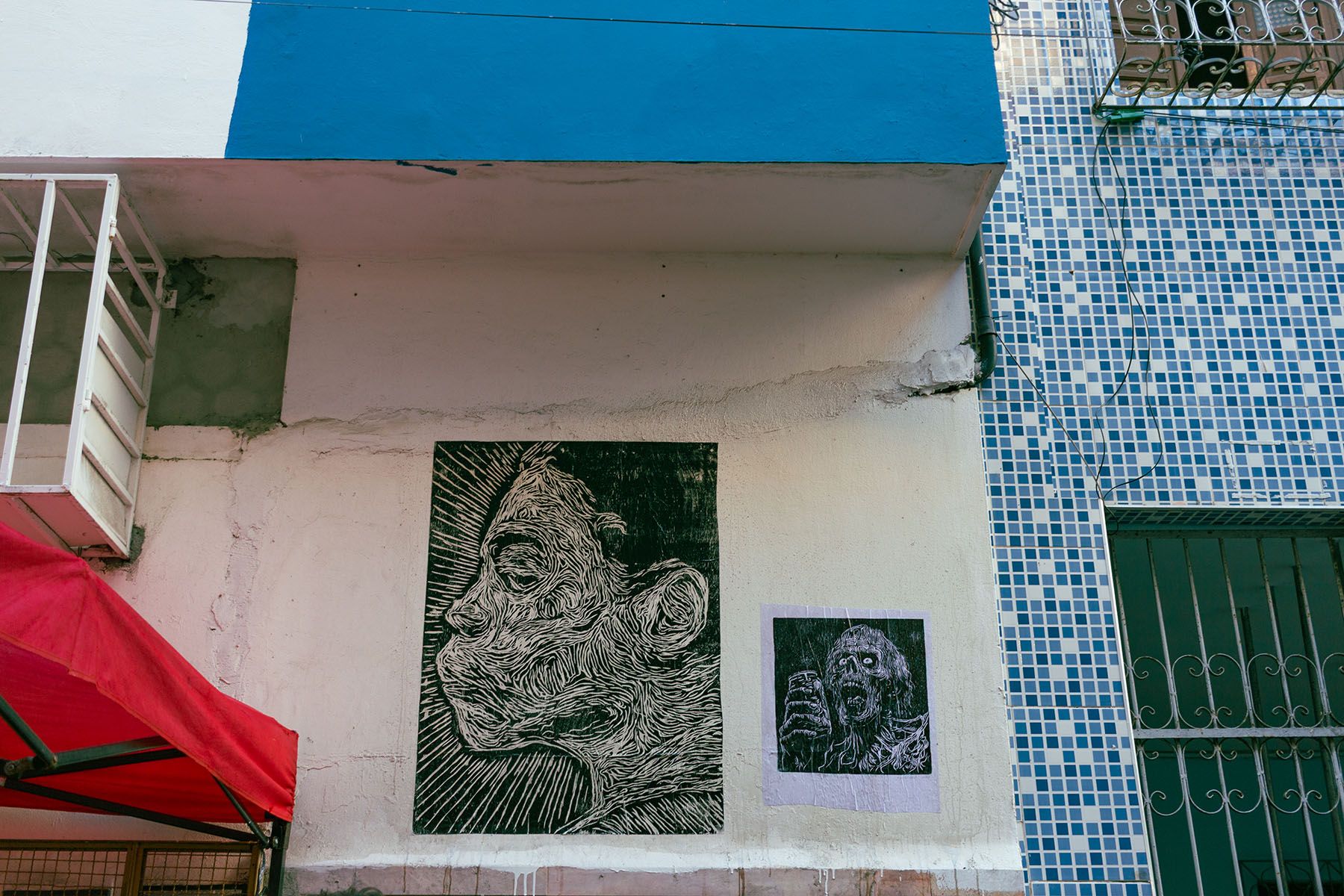
So what does the future hold for the CAB? For Milena, future success would mean that the CAB continues to grow without losing its identity. More than just expanding in size, she hopes to strengthen the project’s structure, ensure better working conditions for everyone involved, and establish this space as an important venue for bringing artistic production into everyday life. The goal remains not to stray from the circuit's original purpose: conversations around a bar table, encounters between artists and the public, the democratization of urban spaces, as well as the creation of a welcoming environment for various forms of artistic production in Salvador.
Instagram: Circuito de Arte em Boteco
About the author
Kpingni Maureen Douabou
Kpingni Maureen Douabou is an artist, writer and curator based between the outskirts of Paris and the city center of Abidjan. She draws on her Ivorian heritage and the legacy of Black feminist thinkers and artists from Africa and its diaspora, to give birth to alternative narratives and question culture. She is founder of Néo-kômian magazine, a multilingual Pan-African newsletter on arts & culture.
Feature
Sara Flores and the pre-Columbian Designs that Encode Indigenous Cosmology and Healing
A Journey into the Inaugural Museum of Belizean Art
The Indigenous Sci-fi Love Story about the Climate Crisis and the Power of Language: Itu Ninu
Feature
Chavis Mármol: Thinking Manually in the Age of Artificial Intelligence
The Power of Fabulation in the Black Cinema of Zózimo Bulbul