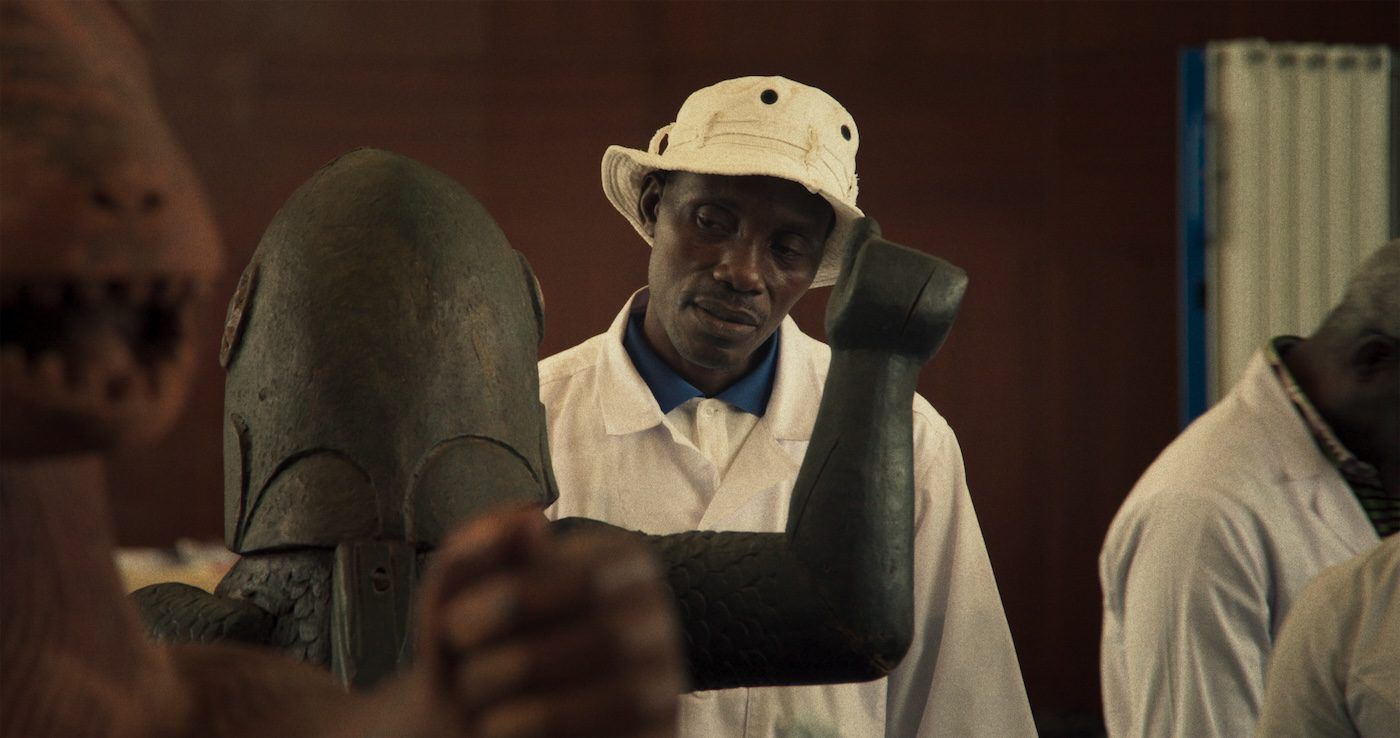
On African Temporality and The Museum
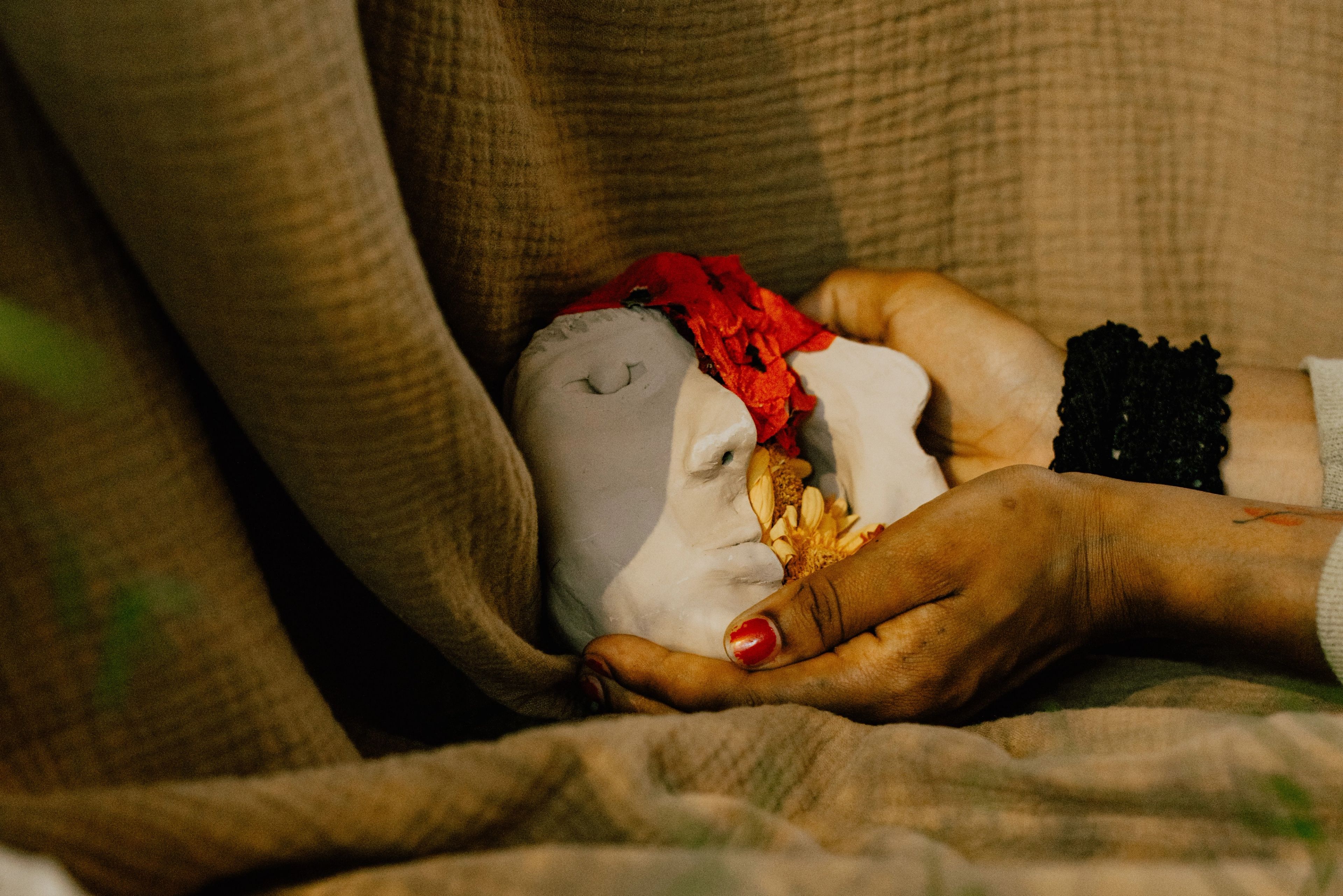
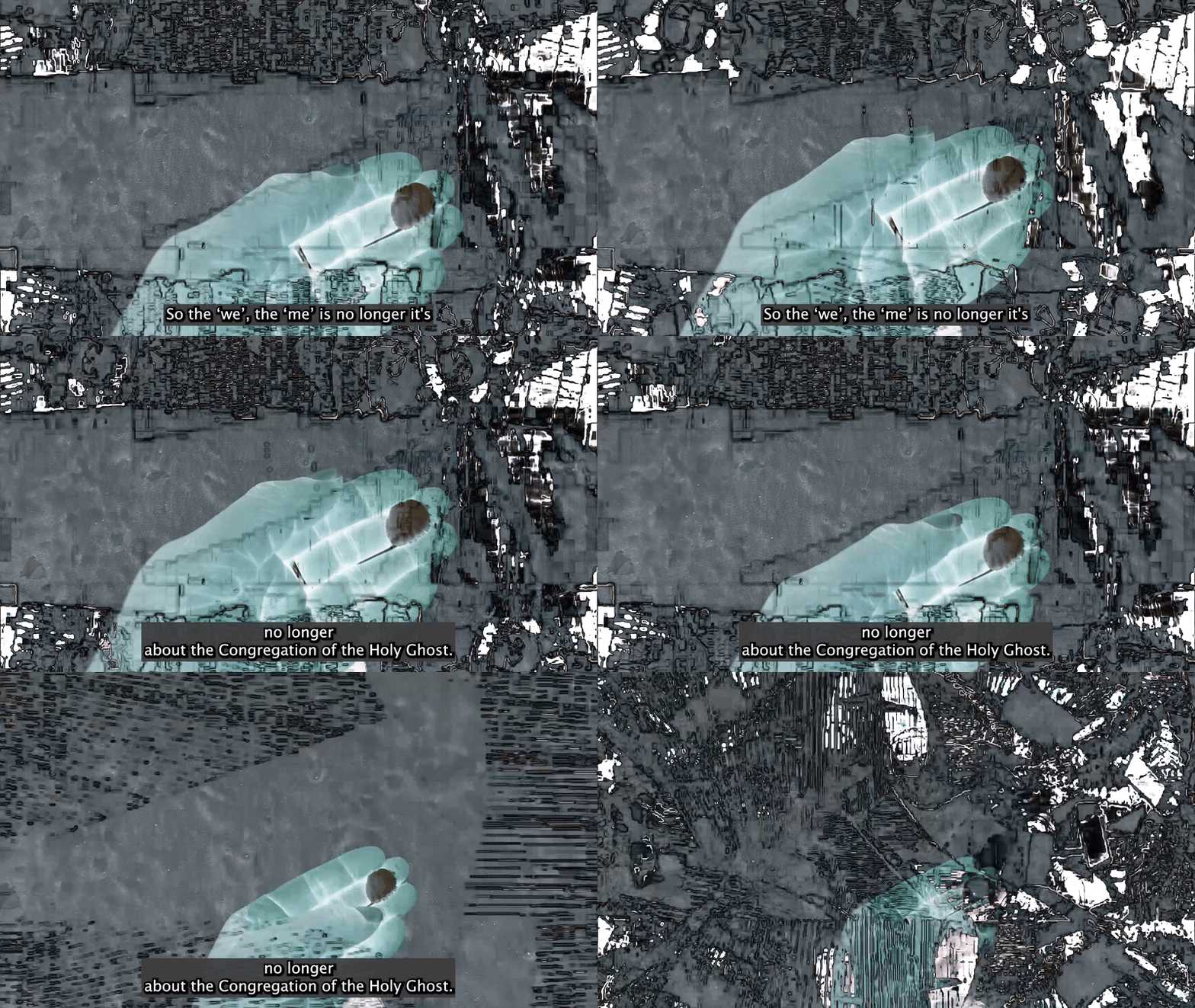
Museum of Black Futures: Horror aan de Rijn, 2025. Courtesy of Henck Pengel.
In collaboration, C& selects a series of podcast episodes by The Museum of Black Futures.
Western museums are institutions of linear history — telling stories that follow a victor’s timeline, celebrating conquest while erasing the ‘other’. They are structured, chaptered, and controlled by Eurocentric ethics of time and space.
How do we reject the constraints of the colonial grip and instead root ourselves in non-linear time, in the hybridity that can be found in African mythology, cosmology, and spirituality? Can we build a future that doesn’t rest on conquest, domination, or nostalgia?
Architect and researcher Patti Anahory unpacks how the Museum of Black Futures can somehow decolonize and transcend our relationship to space-time. For us, the answer begins in African cosmology.
In this episode, we ask: should The Museum of Black Futures follow the definitions set by the International Council of Museums (ICOM), a global network founded in 1946 to safeguard heritage,in order to gain access, partnerships, and influence? Or should we resist those definitions, stand outside the network, and demand our respect from a fringe position?
Production & Sound design: Marcellino van Callias with La Fam Productions
Intro music: Oshunmare
Visuals: Illest Preacha
Drums: Michelle Samba
This text, originally published on The Museum of Black Futures channel, has been edited for clarity.
About the author
Richard Kofi
His multidisciplinary approach weaves together drawing, collage, video, performance, and public ritual to explore the layered entanglements between past, present, and future. Central to his work is a belief in art as a collective tool for collective reimagining and cultivating community-led futures.
Sound
On Ancestral Recipes and Diasporic Foodways
Moving Parts: Yinka Bernie's Sonic Bridge Across Lagos
On Rematriation and Spiritual Reparations
Restitution
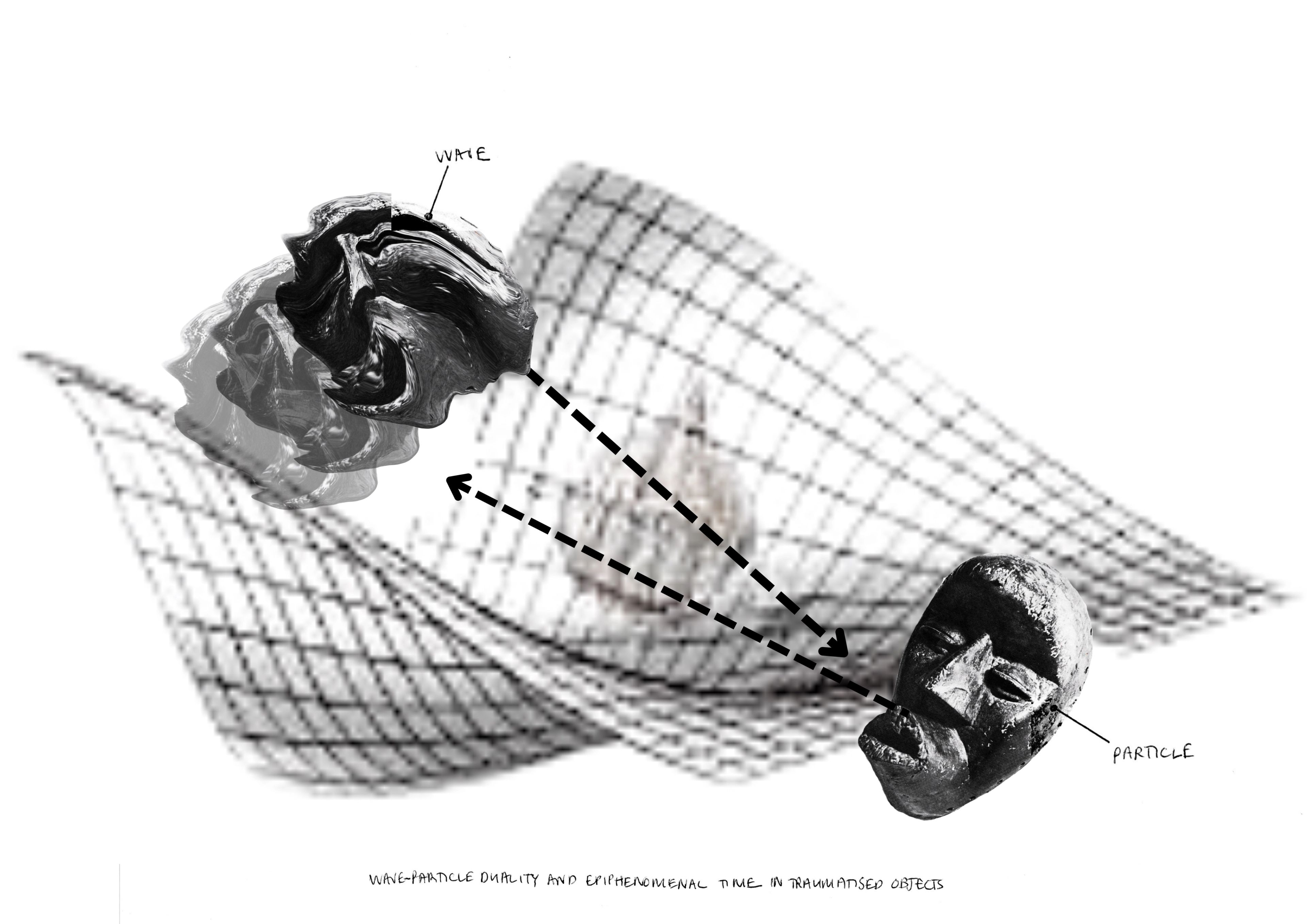
The Aftercycle: Speculations on Responsive Touch and Restituted Objects
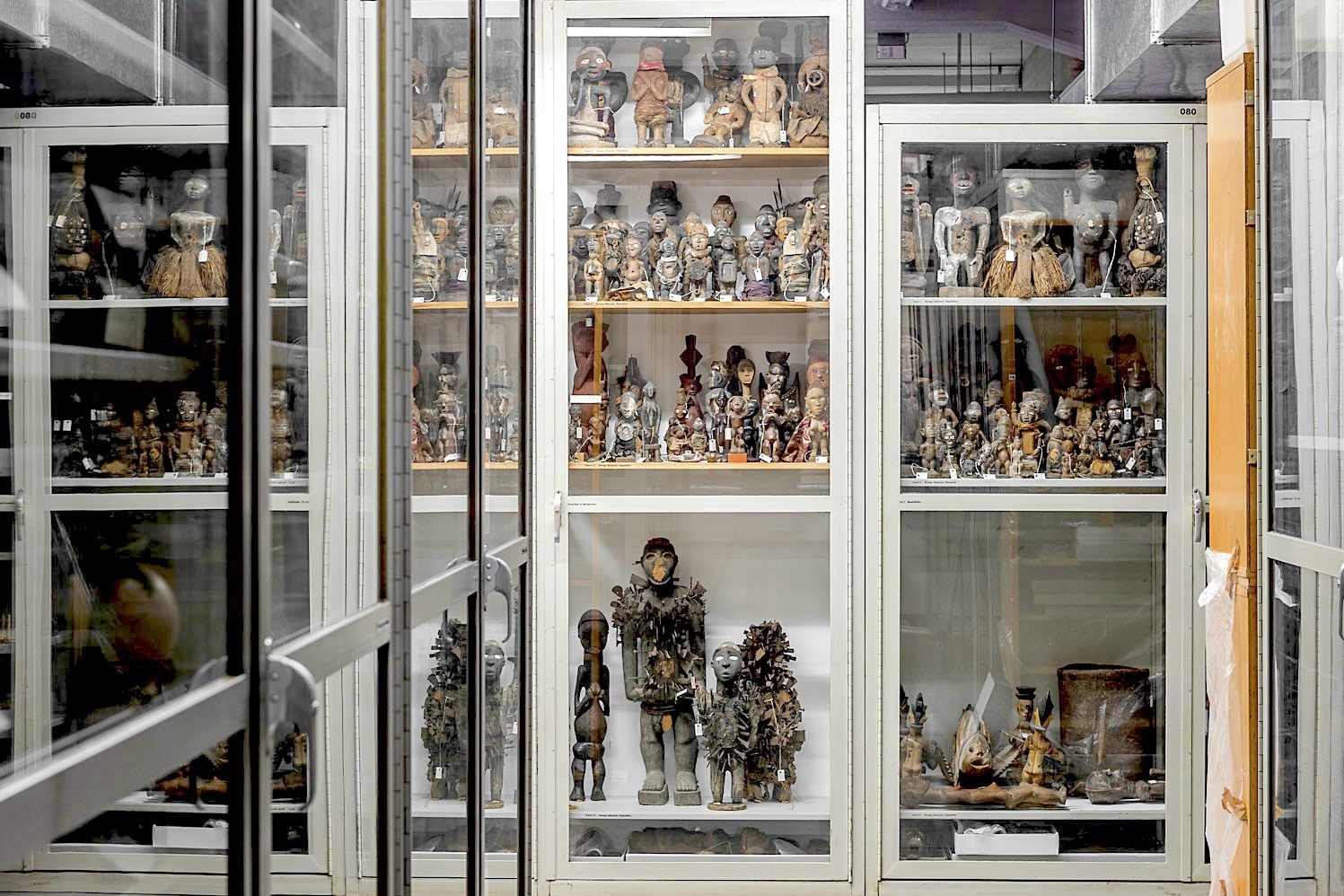
Examining De/Colonial Traces Through Colonial Collections