To Learn is to Feel Through Others: On the African Schools at Venice
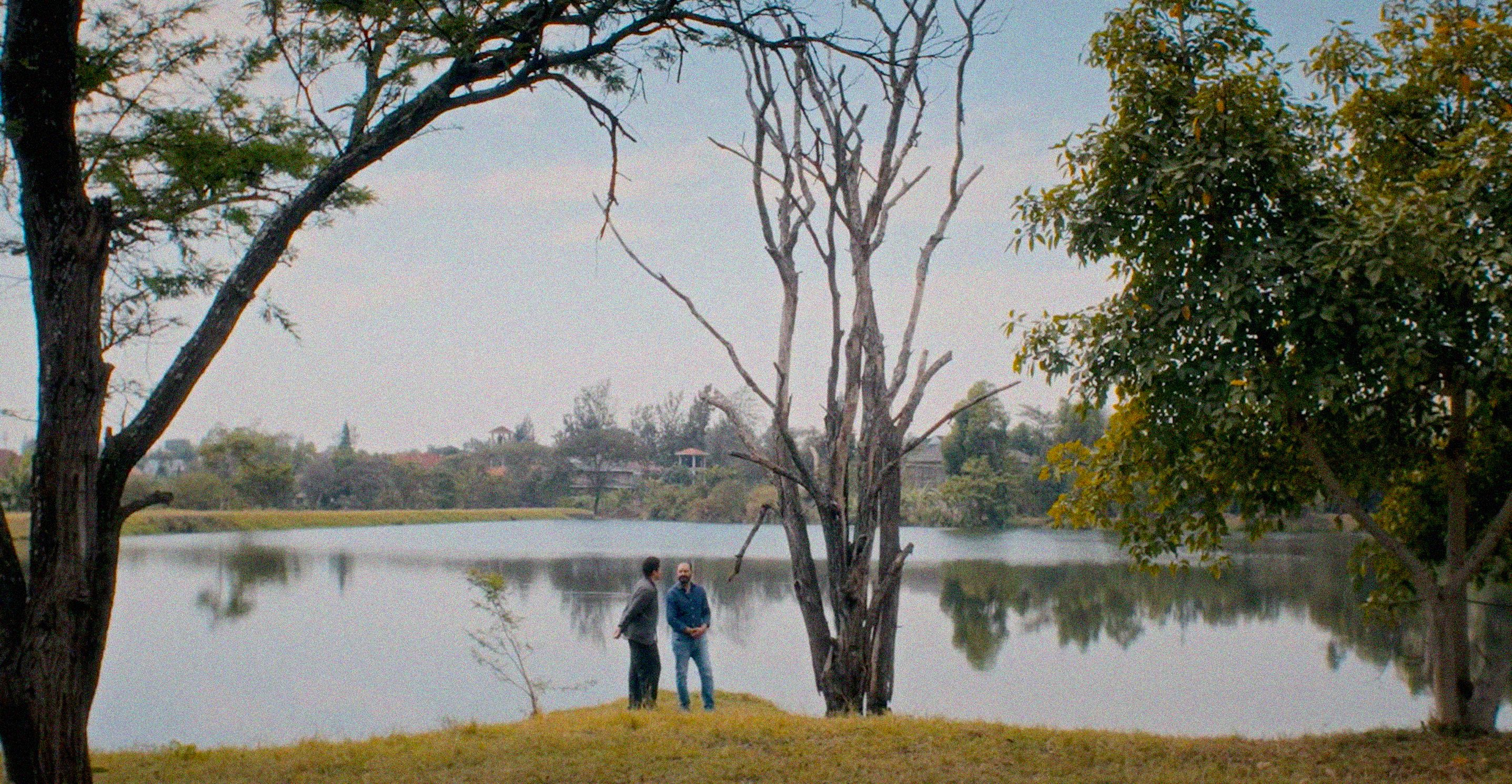
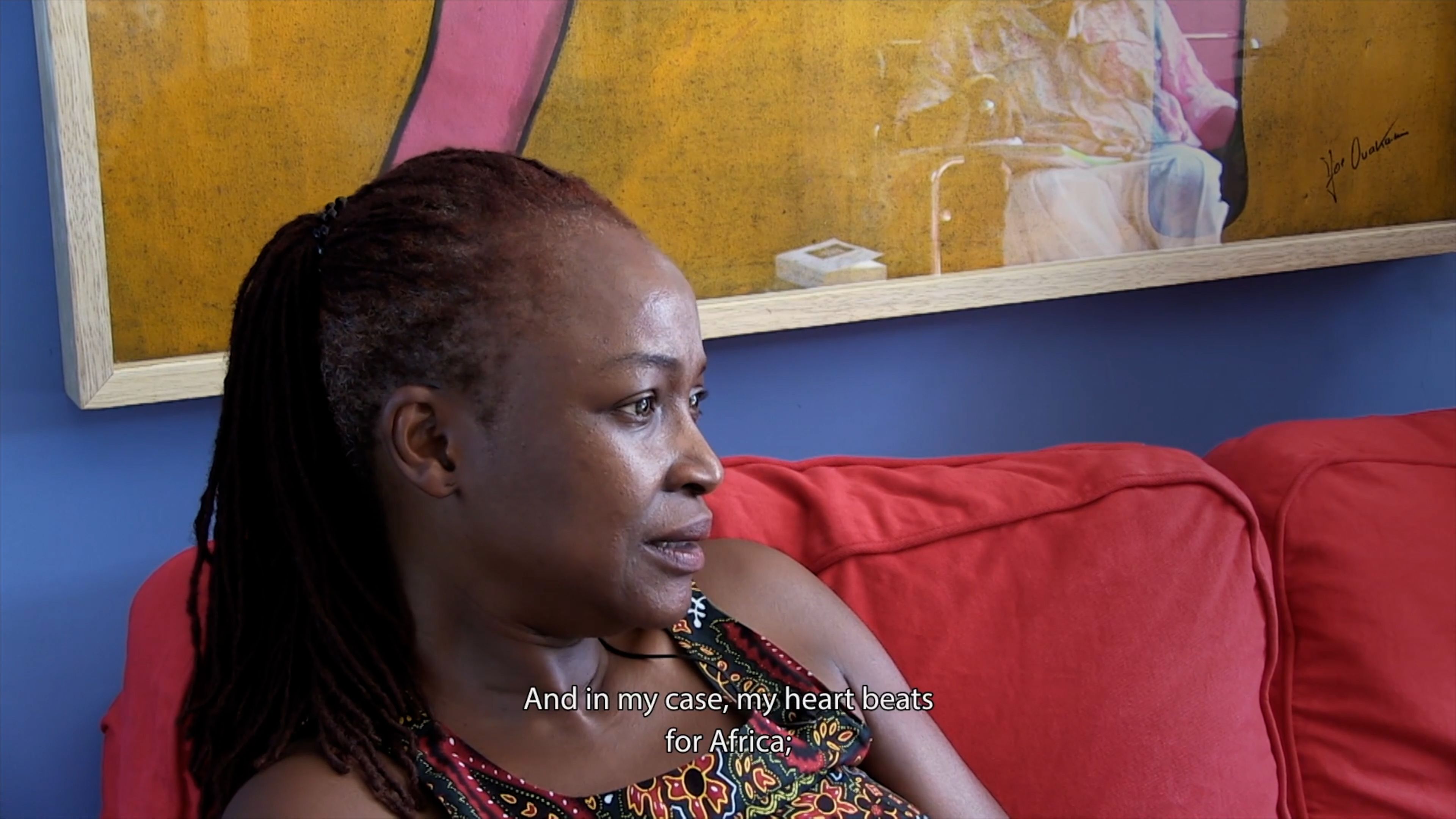
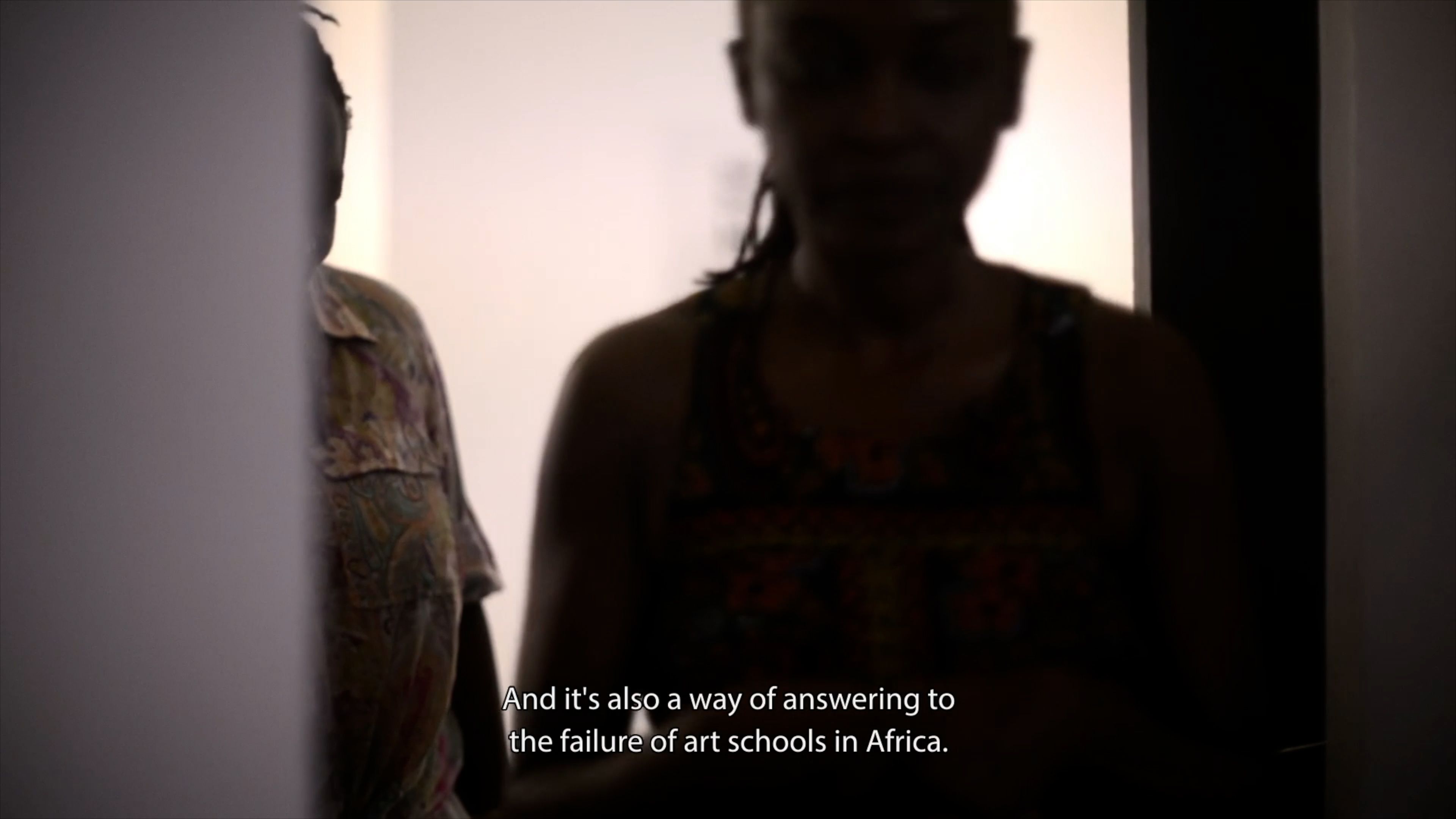
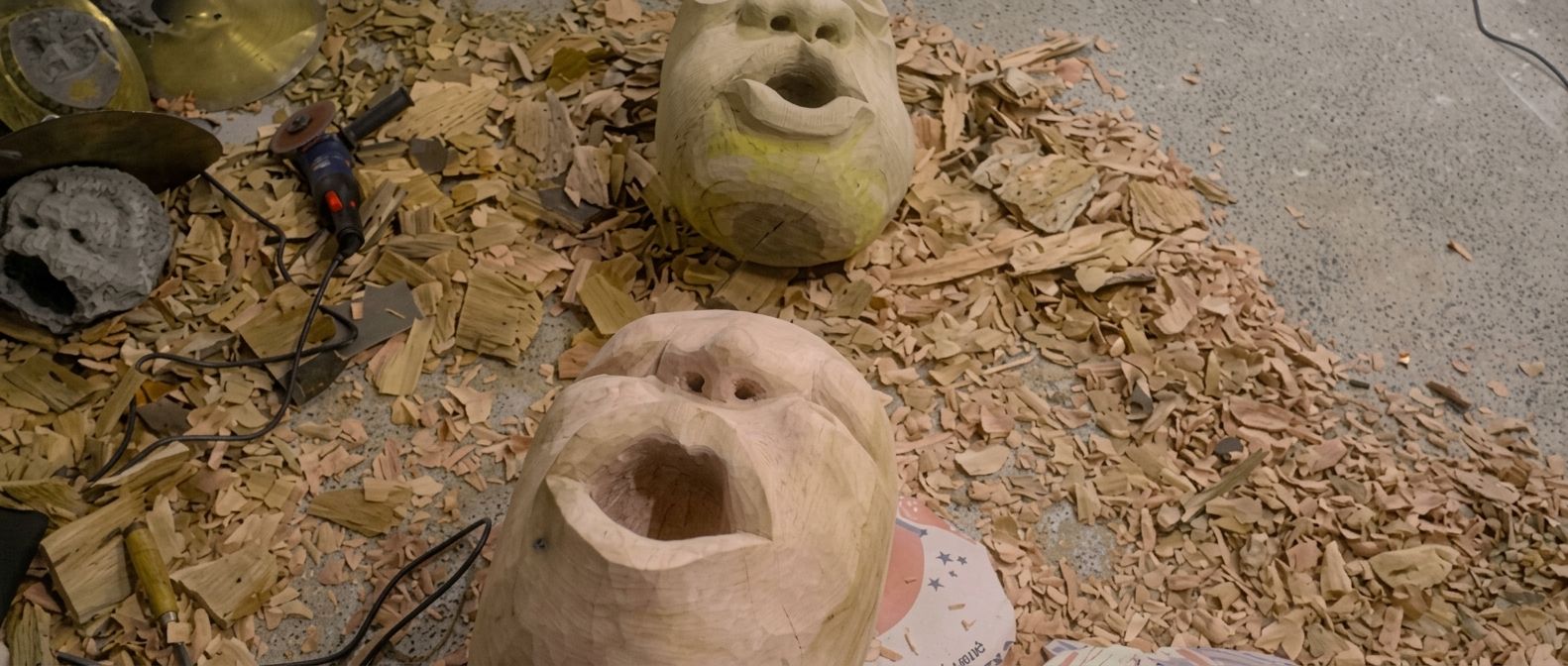
NCAI, NCAI Documentary, 2026. Film still. Production: 199xOrg. Courtesy NCAI. NCAI proposed site.
Reading the works ‘stereoscopically’, writer Theophilus Imani finds across all four African Schools at the 61st Venice Biennale a pedagogy built upon reciprocity rather than hierarchy, from a borderless map extrapolated from Ghanaian staple foods to a timeline of the Makerere Art School. G.A.S. Foundation, RAW Material Company, blaxTARLINES Kumasi, and Nairobi Contemporary Art Institute (NCAI) are presented within the In Minor Keys exhibition, under the designation “Schools,” a term that reflects the artistic and educational models they embody. Imani considers what these institutions owe to the living, the dead, and those yet to come, and how lineages of knowledge and kinship are built to outlast the ephemeral.
The idea is to explore the basin that opens beyond the shore, where the tangled waterways are long stems joined to the corollas of the littoral. In the distance, along the horizon, the waters are furrowed by shadowy ridges of another coast. A harmony of meandering creeks trace the profile of this unknown yet imagined land, as the gaze loses itself in the expanse of that elsewhere. Those who have been there speak of a coastline of over 3000 kilometers, punctuated, from east to west, by bays, promontories, coves, gulfs, islets, and small archipelagos. Each of these geological formations, like the highlands and the water-filled depressions, carries the names of people and demiurges of past and present, creating worlds within the world.
This is not a real land beyond the Venetian lagoon but a real description of an imaginary cartography, a work presented at the 61st International Art Exhibition of the Venice Biennale by the Ghanaian artists’ coalition and art-labor movement blaxTARLINES KUMASI. Extending the possibilities of still-life, Tracy Naa Koshie Thompson, a blaxTARLINESconspirator, developed its topographic information from certain staples of the Ghanaian culinary tradition. The artist’s process is the fruit of engineered experiments that manifest what lies latent within quotidian materials like food. Thompson’s quasi-epiphanic practice recalls Heraclitus. Reflecting on the harmony of the visible and invisible that sustains it, the Greek philosopher said of nature: “the hidden attunement is stronger than the obvious one.” And just as so, Thompson’s work invites us to linger in the hidden part of things and of ourselves.
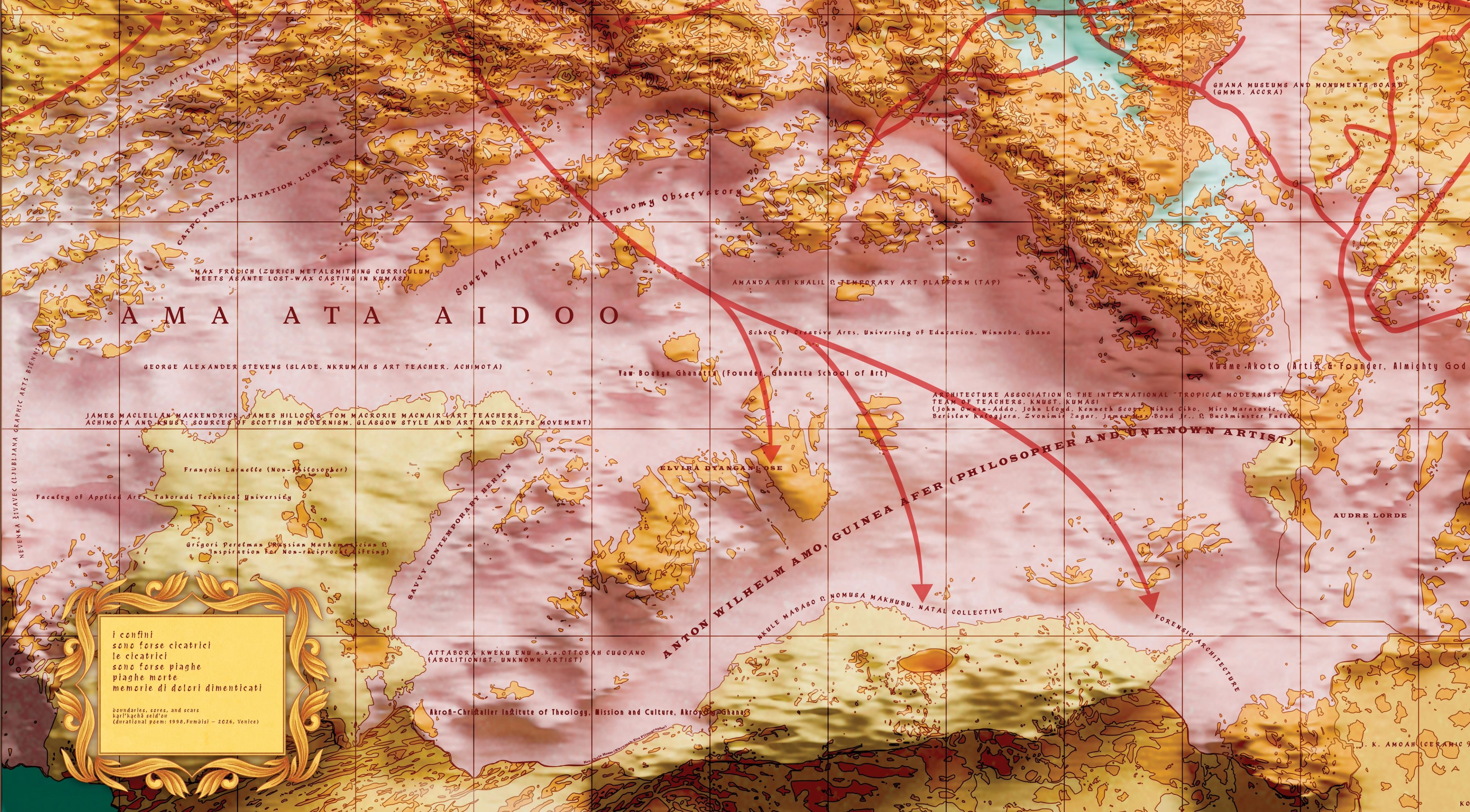
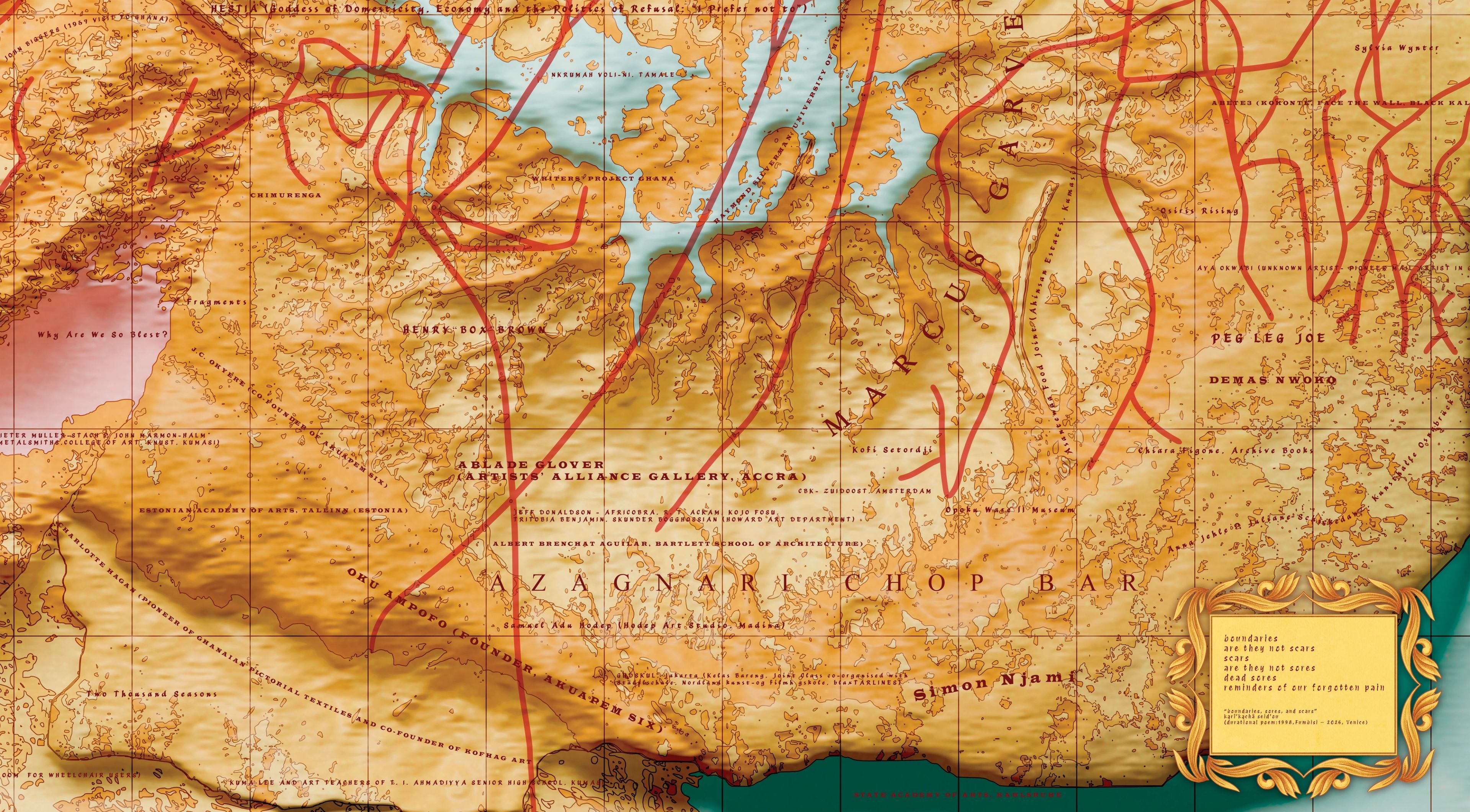
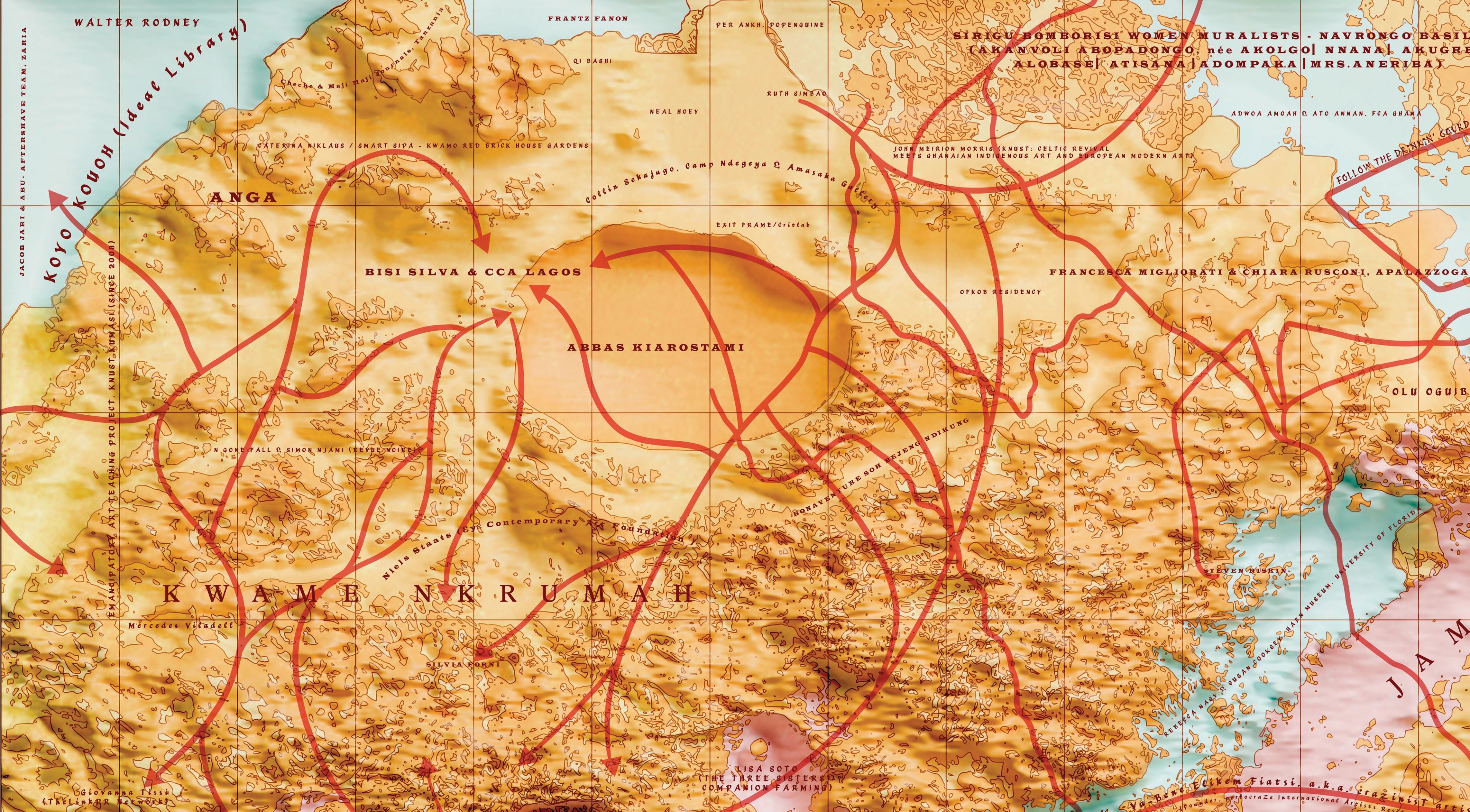
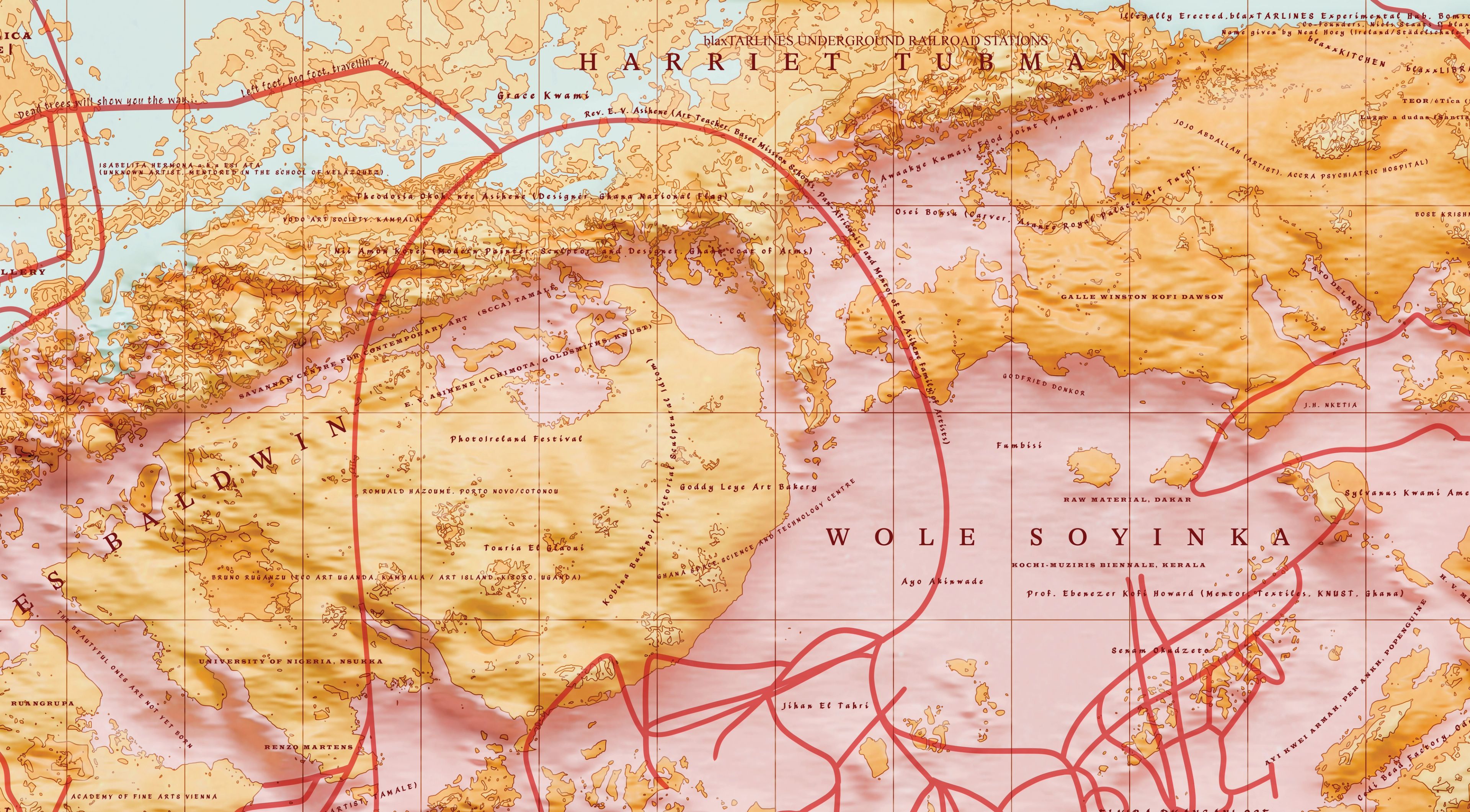
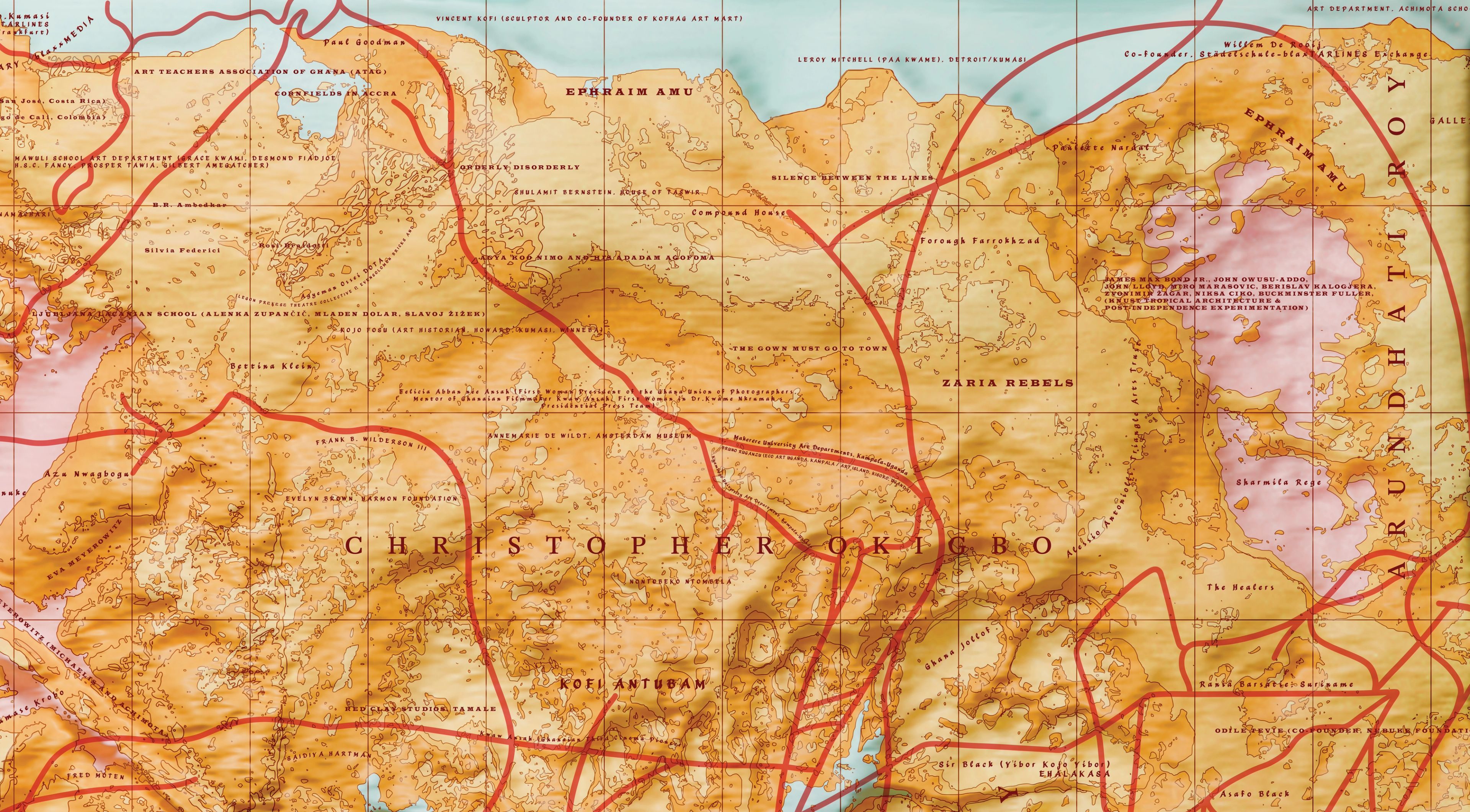
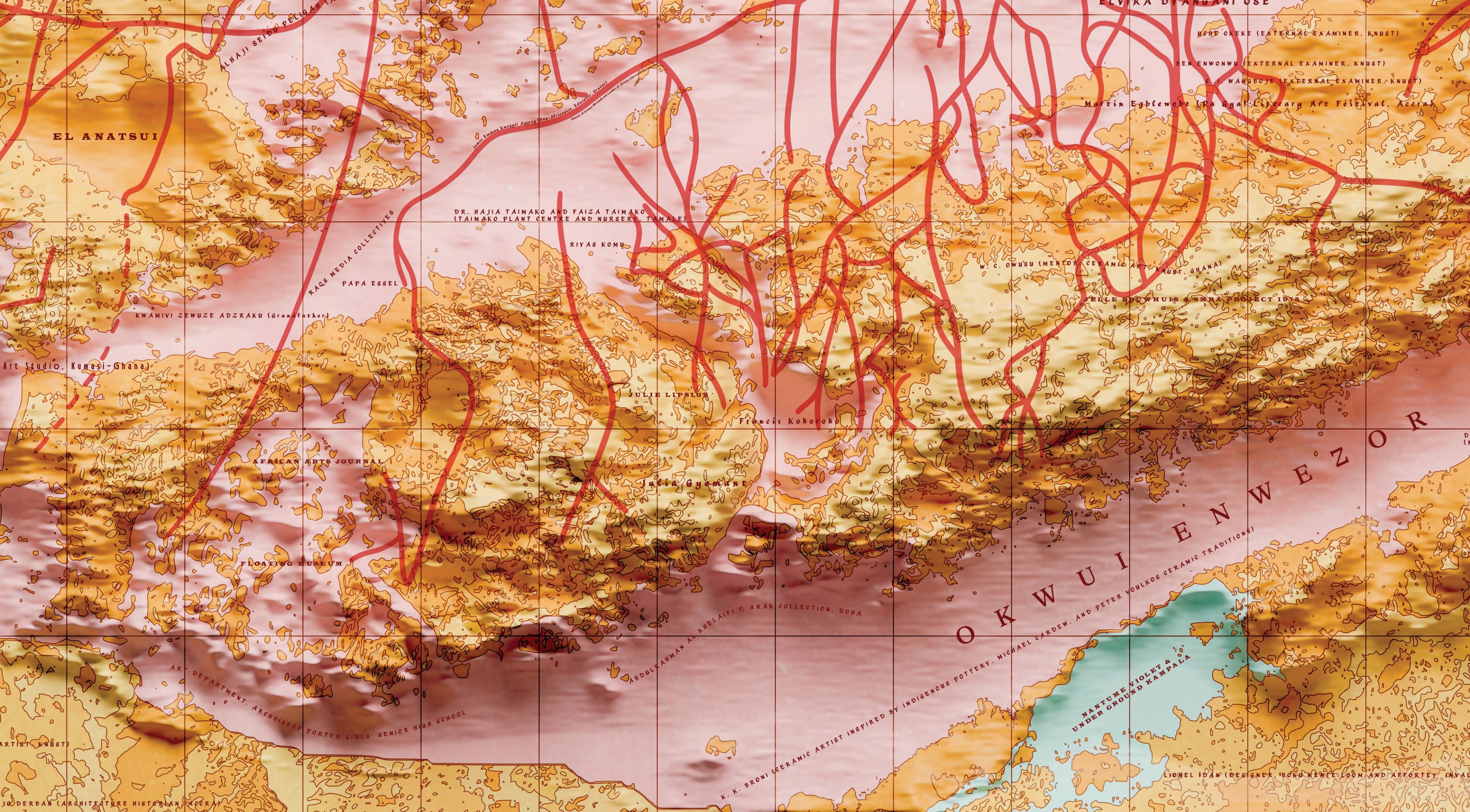
On the occasion of In Minor Keys, this quietly exhumed world is a doorway into an African interior and a figure for mapping, of thought and relation. A metaphoric choreography of red lines cross stations and a “loophole of retreats”, tracing the network of fugitive solidarity that blaxTARLINES guided by Professor kąrî'kạchä seid'ou, has forged, negotiated, and embodied from 2015 to the present. If the Barbadian poet Kamau Brathwaite reminds us that “unity is submarine”, The blaxTARLINES Underground Railroad Stations reminds Biennale visitors that artistic, cultural, pedagogical, and intellectual unity is also subterranean. This subterranean unity rotates around the hinge of free circulation and sharing of knowledge. A freedom of movement reflected in the map by the absence of borders, described poetically by Professor seid'ou as “scars [...] dead sores / reminders of our forgotten pain.” The cartography of blaxTARLINES KUMASI is not founded on the crystallized idea of nationhood, but on the fluid and porous idea of an ecosystem.
This ethos, that sprouts in the everyday from a radical African imagination, carries with it a marginal gloss, captured in the thoughts of Achille Mbembe. In his essay The Idea of a Borderless World published by Chimurenga in October 2018, the Cameroonian philosopher addresses the African communitarian model, writing of a foundational debt at the base of relational constellations. “And it is a kind of debt,” Mbembe writes, “that encompasses not only the living, the now, but also those who came before and those who will come after us that we have obligations to.” In his words lies the idea that the sustenance of this human archipelago cannot subsist without a recognition and restitution toward a ‘you’ that may or may not intersect our own temporal thread. A temporality wherein present, past, and future blend, because this constellation, beyond those who are yet to come, as Mbembe reminds us in the same essay, includes “not only the living but also the dead.”
Against the backdrop of In Minor Keys, Mbembe’s words bring to mind the primary principle that guided the practice of the exhibition’s curator, Koyo Kouoh. It is a principle in which the human dimension served as both measure and compass for a curatorial practice centered not only on “defending sites of criticality and dreaming,” but also devoted to “caring for our society and its citizens.” She distilled this praxis into a simple adage: “people are more important than things.” Two figures from RAW Material Company, the artistic institution Koyo founded in Dakar in 2008, recalled the rigor of that praxis in a video call. Haja Fanta and Fatima Bintou Rassoul Sy — the curator of publishing practices and the director of programs at RAW, respectively — spoke of Koyo seeing people as generative resources of the reality she had built. “The raw material is us, our grey matter,” Rassoul Sy said, “the human beings that come in company in order to carry forward this vision of the work.” Words echoed in Fanta's reflection: “RAW begins and ends with what happens between humans.”
“I work to create spaces with the joys and complexities of Global Blackness as a permanent motive,” said Koyo Kouoh. This human praxis moving against the backdrop of Black study, catalyzes her radical pedagogy: one that speaks to the root, intended to mold its own local context through creativity, experimentation, critical thought, and imagination while mending the gaps that made the institution’s creation necessary. RAW Material Company’s gaze is not confined to its immediate surroundings; its local context is only the point from which dialogues and reflections, that are at once local and global, are cultivated. This curatorial practice resounds the words of Kenyan author Ngũgĩ wa Thiong'o in his essay “Moving the Centre: Towards a Pluralism of Cultures” (1991): “knowing oneself and one's environment [is] the correct basis of absorbing the world.” In making institution-building its dwelling place, it is a practice that rhymes with other African ecosystems invited by Koyo onto the stage of the Biennale.
If fertile grounds are cultivated with RAW Material Company in Dakar, and the global contemporary art system is hacked with blaxTARLINES in Kumasi, in Nairobi the contemporary East African artistic tradition is preserved at the Nairobi Contemporary Art Institute (NCAI), and in Lagos and Ikiṣẹ people gather for a time to hum in chorus in the courtyards of the Guest Artists Space (G.A.S.) Foundation.
Let us consider the map once again in the halls of the Arsenale. The cartography — on which the names of Koyo Kouoh, Bisi Silva, Wole Soyinka, Elvira Dyangani Ose appear, among many others — is presented within a wider installation by the Ghanaian School. And it is interesting to note that La Squadra di Koyo (Koyo’s curatorial team) placed the work by blaxTARLINES adjacent to Chorus, the work by G.A.S. Foundation. The proximity of the two Schools invites us to read them stereoscopically, to borrow from the concept by Leigh Raiford. In her book When Home is a Photograph: Blackness and Belonging in the World (2026), Raiford applies this approach to photographic practices of diaspora. Perhaps a reading of the photographs of the two Schools underneath the lenses of an imagined stereoscope might help us see “further layers of depth and detail” in these pedagogical realities and grasp “their similarity and difference.” Such a reading could also be applied to all four of the Schools by looking at them in pairs.
Perhaps a reading of the photographs of the two Schools underneath the lenses of an imagined stereoscope might help us see “further layers of depth and detail” in these pedagogical realities and grasp “their similarity and difference.
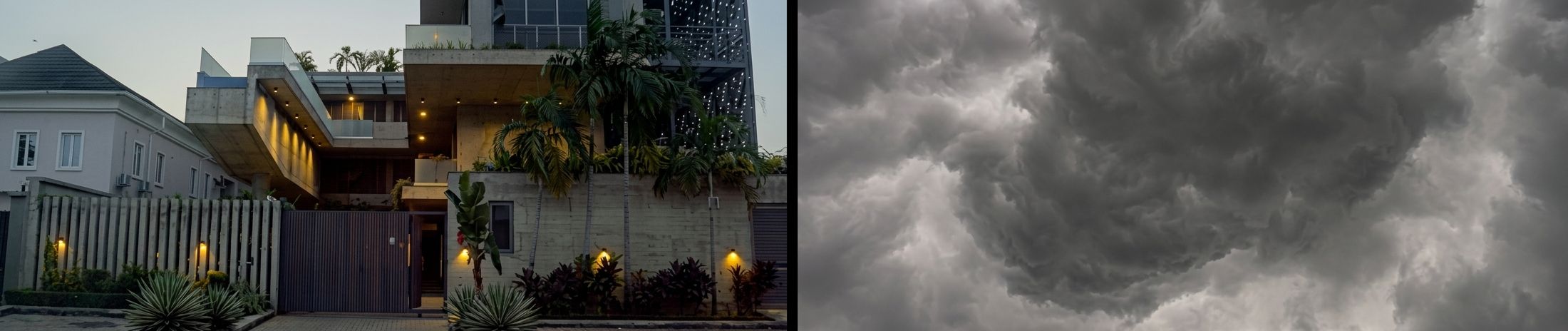
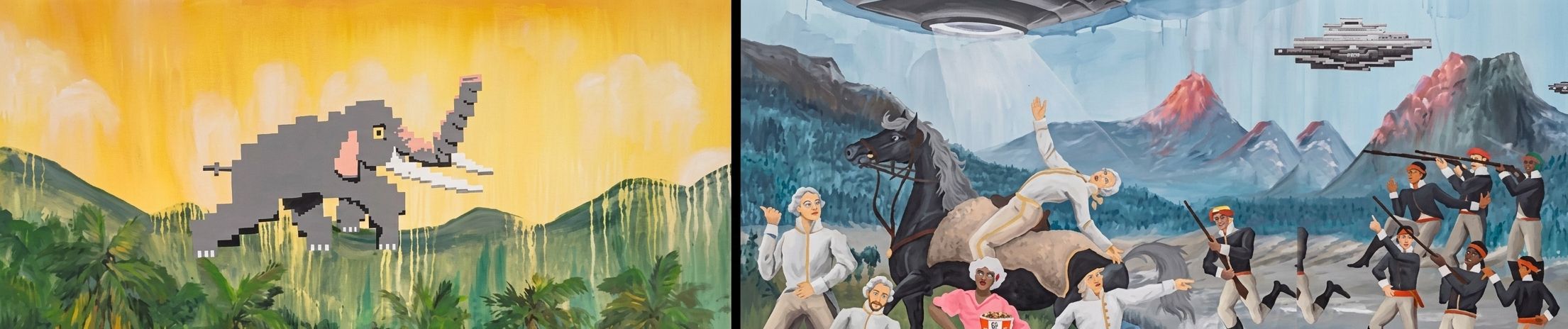
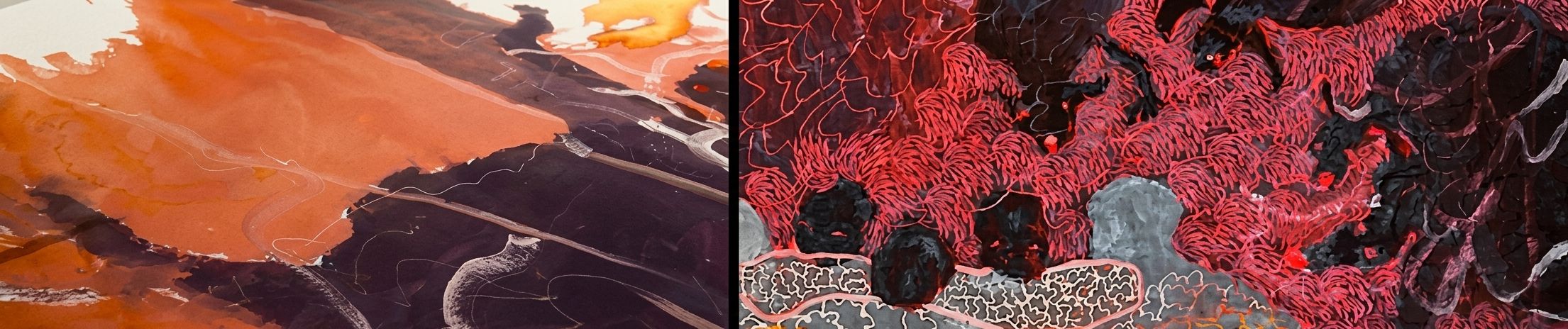
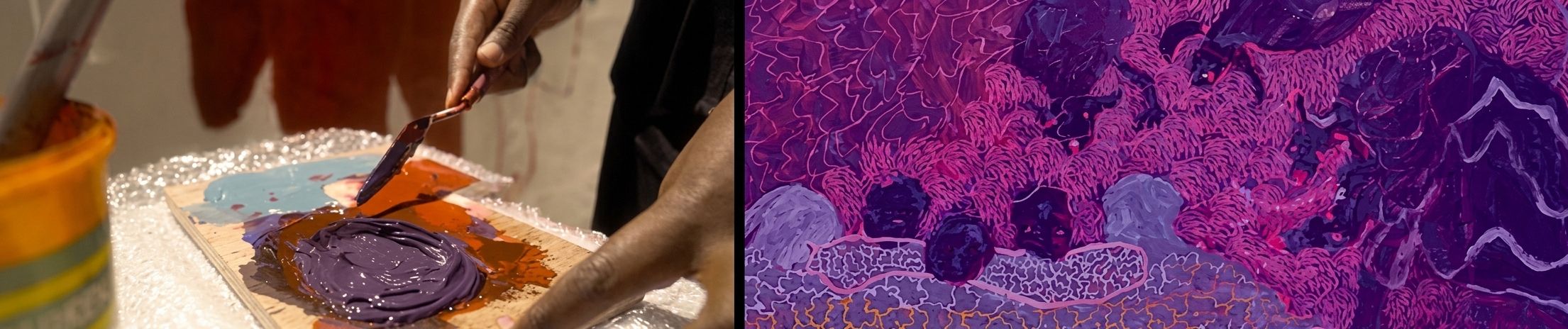
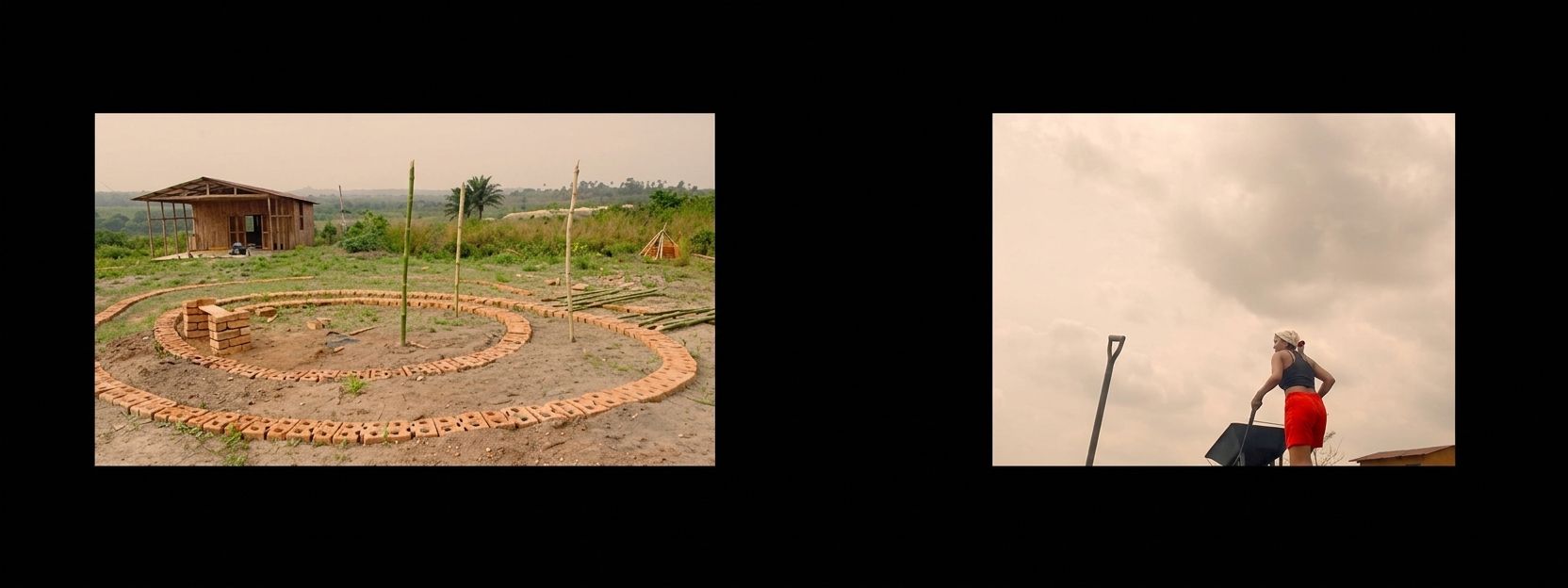
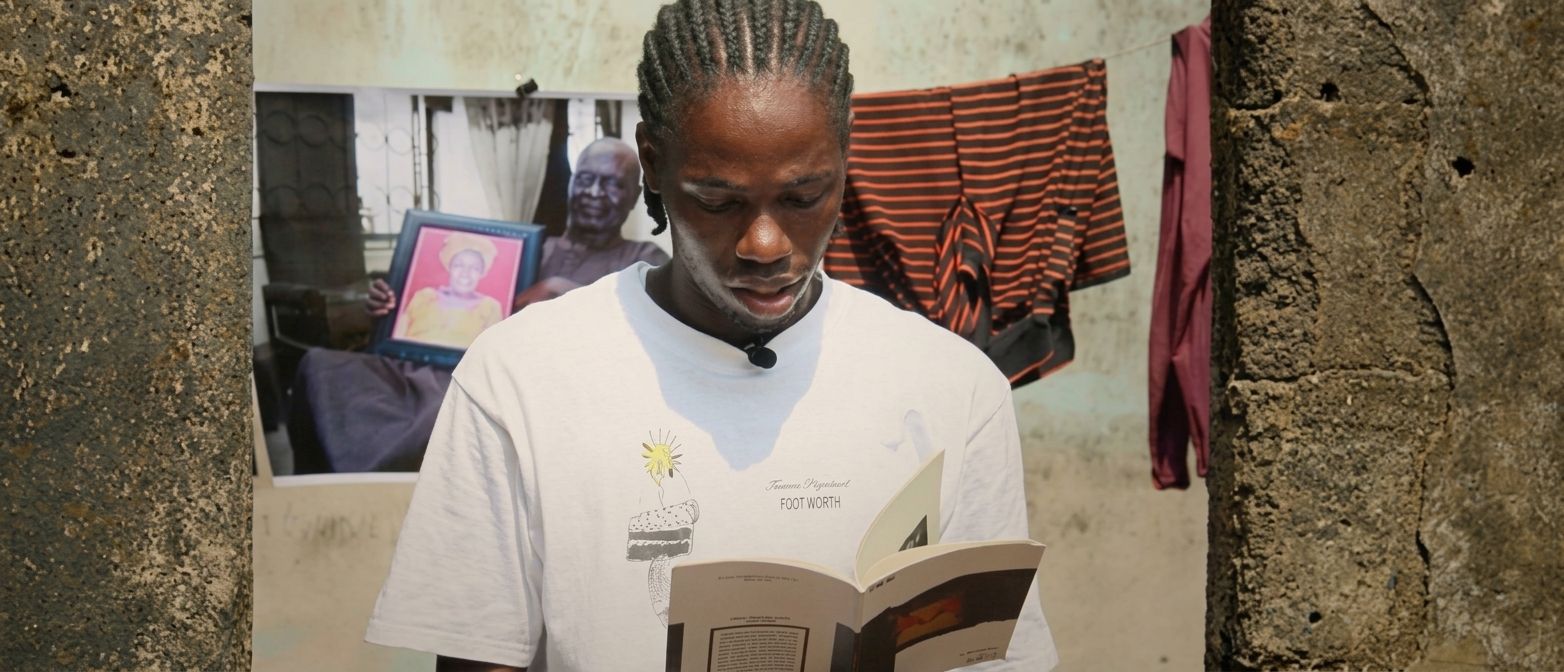
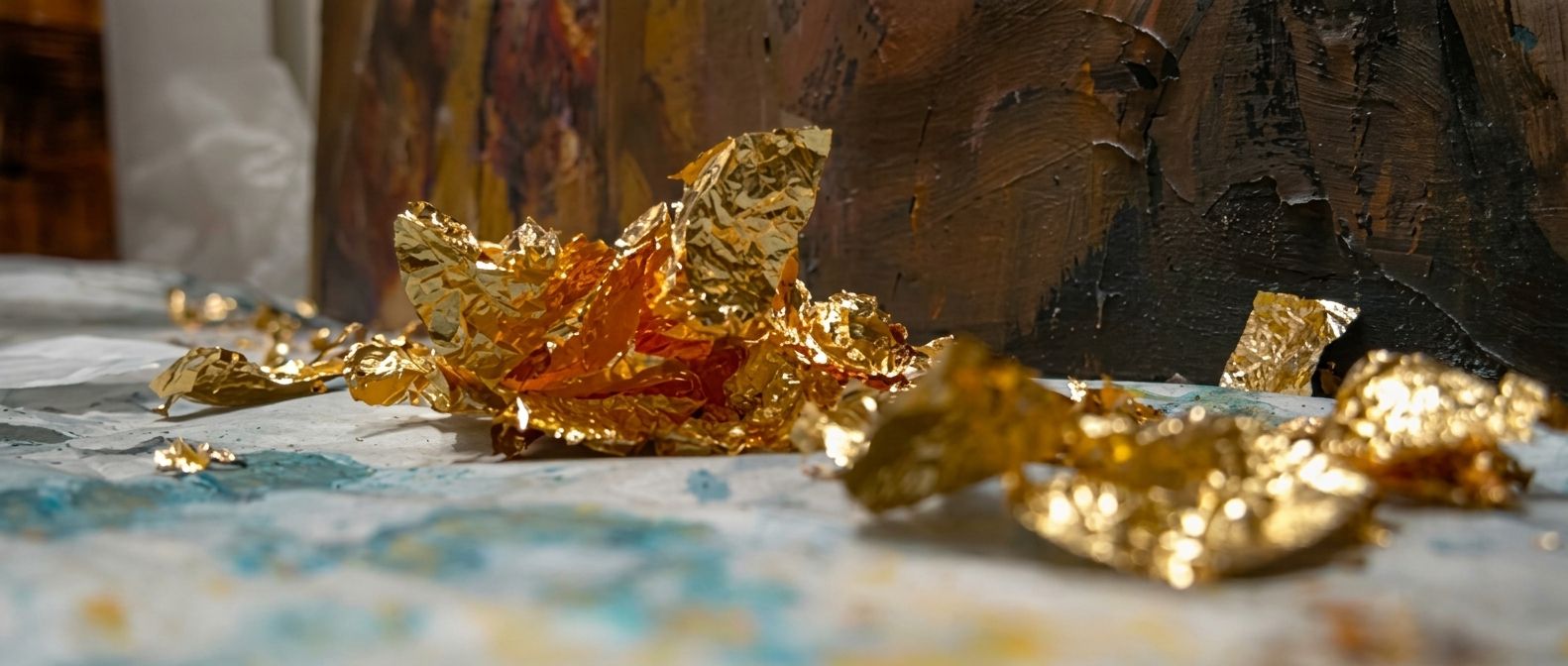
Chorus is a polyphony of voices that gathers the poetics of G.A.S. through connected melodic fragments. Founded in 2022 by the British-Nigerian artist Yinka Shonibare CBE, the Nigerian residency, like the other African Schools, offers experimental and discursive spaces where artists, researchers, and curators are given time to extend the paradigms of their respective practices. The variety of artistic expressions — from ethnobotany to painting, sculpture, poetry, and performance — is reflected in a multimedia installation that welcomes the visitor into the circular space in Venice. In this configuration, evoking the social and ritual gathering of the Yorùbá courtyard, the visitor is invited to linger on the lyrical meditations of some of the voices that have been in residence at G.A.S. “I don't speak of you as dead,” the non-diegetic voice of Ofem Ubi recites across the two screens, “I speak of you as late, as she’ll be back soon.”
In the sequence of Chorus, chromatic and sonic caesuras tie each fragment to the next. The cyclical movement obliterates the idea of beginning and end, placing each voice on the same plane. This horizontal relation is, to me, a metaphor for the absence of artistic hierarchies that shapes the reality of G.A.S., an absence that opens up the space and time for reciprocity. It is a pedagogical choice that can be found in the other African Schools. “We also try not to have this sort of hierarchical exchange between faculty members and fellows,” Haja Fanta said during our video call, echoing the collective philosophy of blaxTARLINES KUMASI. In one of the videos presented by blaxTARLINES at the Biennale, curator Kwesi Ohene-Ayeh states, “There is none of us who possesses absolute knowledge. And the way to work around this is really to share and to be in contexts where you are constantly evolving and growing together.”
There is none of us who possesses absolute knowledge. And the way to work around this is really to share and to be in contexts where you are constantly evolving and growing together.
Through Ohene-Ayeh's words, another idea emerges: the construction of knowledge is a collective praxis. And it is in the spirit of shared and solidaristic exchange that Koyo Kouoh, as Fatima Bintou Rassoul Sy recalled, laid the ground for RAW Material Company’s library with her own books. Today, while minor keys weave the soundscape of Venice, part of this library is temporarily housed within the Padiglionedel Libro (Book Pavilion) at the Biennale. Entitled Ideal Seeds for Fertile Grounds, RAW’s presentation retraces the life of the institution through a display of books, its own publications, posters from past exhibitions and conferences, short films, interviews and botanical maps. These maps stand in for the Indigenous knowledge preserved in RAW’s garden, which provides daily sustenance to the people who inhabit its world, from artists to the hospitality team.
Within the pavilion, the traditional plant knowledge symbolized by the maps brings to mind a melodic fragment from Chorus: the living botanical archive planted by the ethnobotanist Jonn Gale at G.A.S.’s Farm House. But the floral maps, like RAW’s “fertile grounds,” also remind me of an essay by a voice that, just like Koyo Kouoh, “instigated tectonic shifts in editorial, curatorial, and institutional frameworks [...] in Africa.” “Creating Space for a Hundred Flowers to Bloom” is an essay written in 2017 by Bisi Silva that opens Àsìkò: On the Future of Artistic and Curatorial Pedagogies in Africa (2017), a volume that testifies to and archives the programs Silva promoted through Àsìkò.
In the pages of her critical reflection, Silva quotes a thought by Sidney Littlefield Kasfir and Till Förster, editors of African Art and Agency in the Workshop (2013), which deepens the peer-to-peer learning promoted by the African Schools at the Biennale: “Artists in workshops learn much more through others, not from them.” A sentiment — at the heart of Àsìkò, but also of blaxTARLINES, G.A.S., NCAI and RAW — that brings to mind the hapticality theorized in TheUndercommons: Fugitive Planning & Black Study (2013) by Fred Moten and Stefano Harney: “the capacity to feel through others, for others to feel through you, for you to feel them feeling you.” Within the pedagogical dimension of the African Schools, it might be said that to learn is to feel through others.
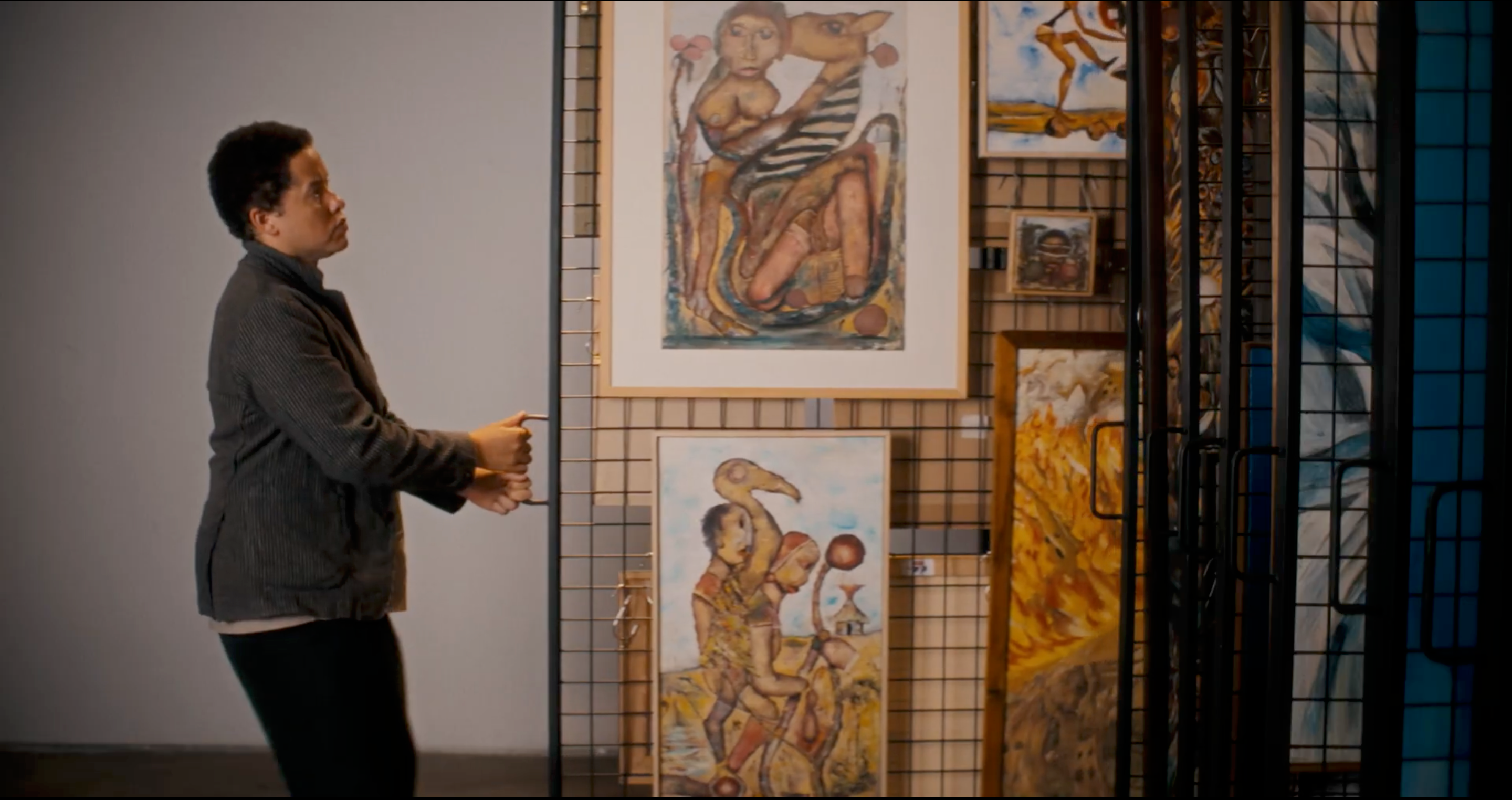
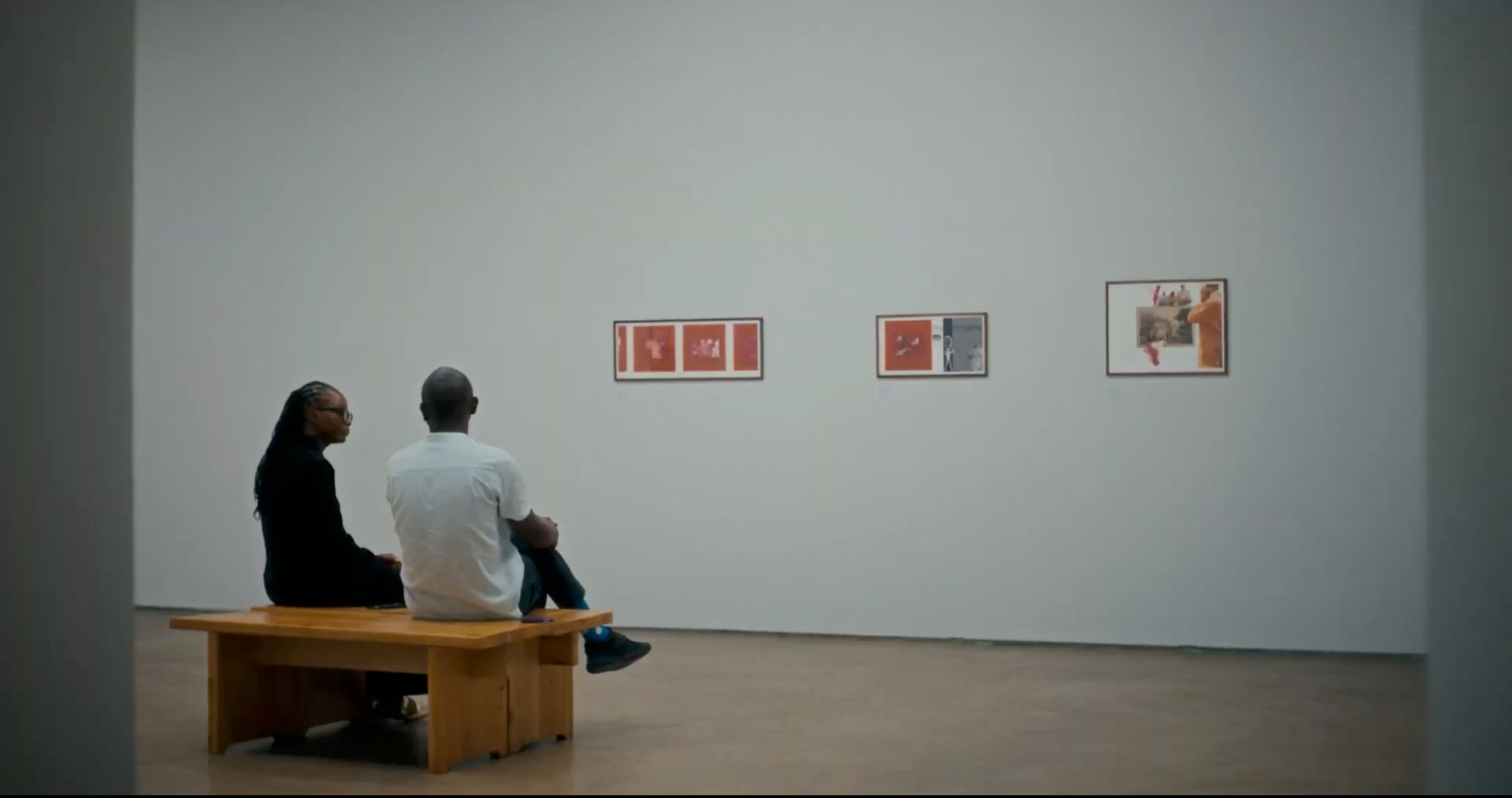
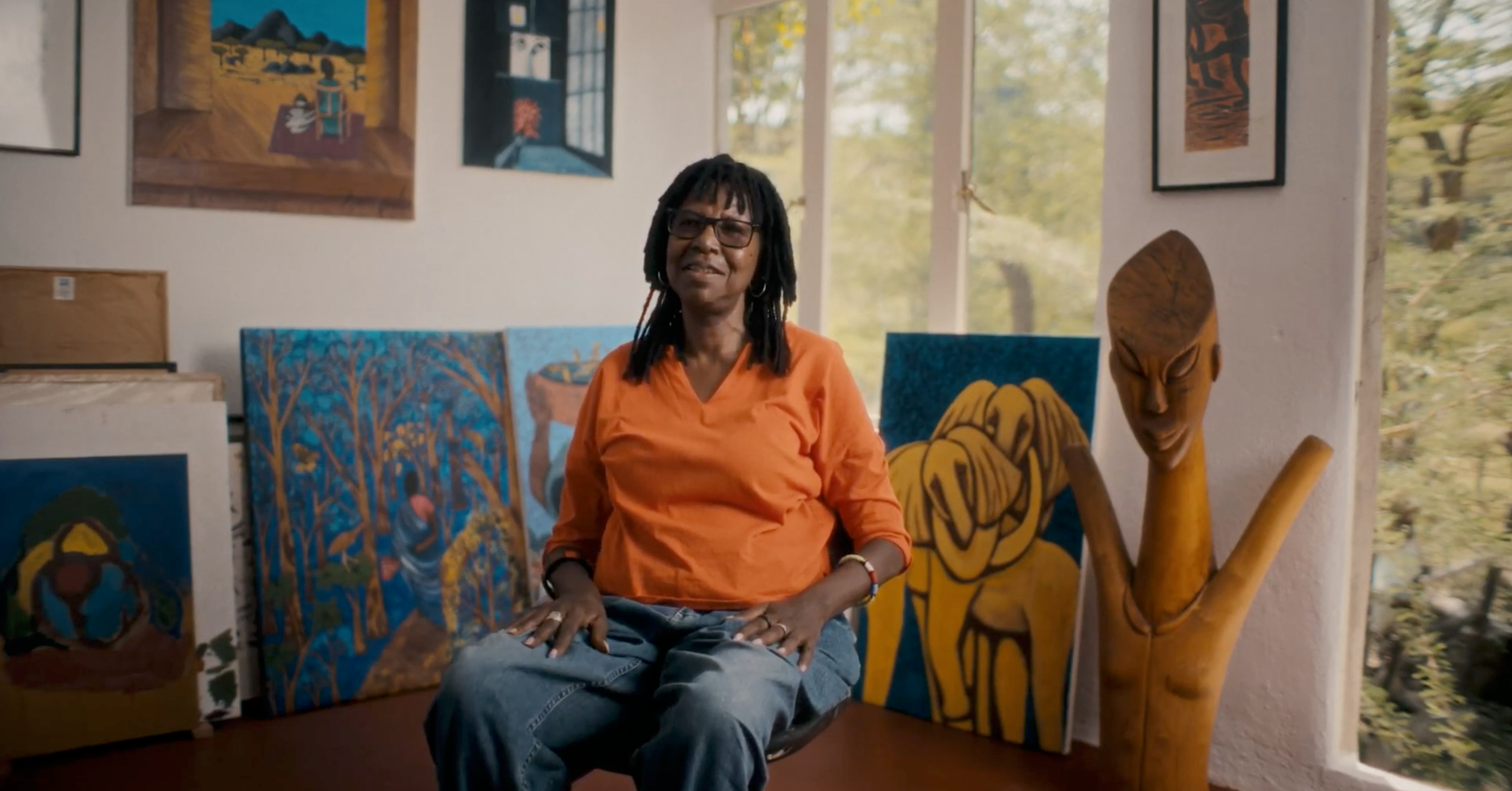
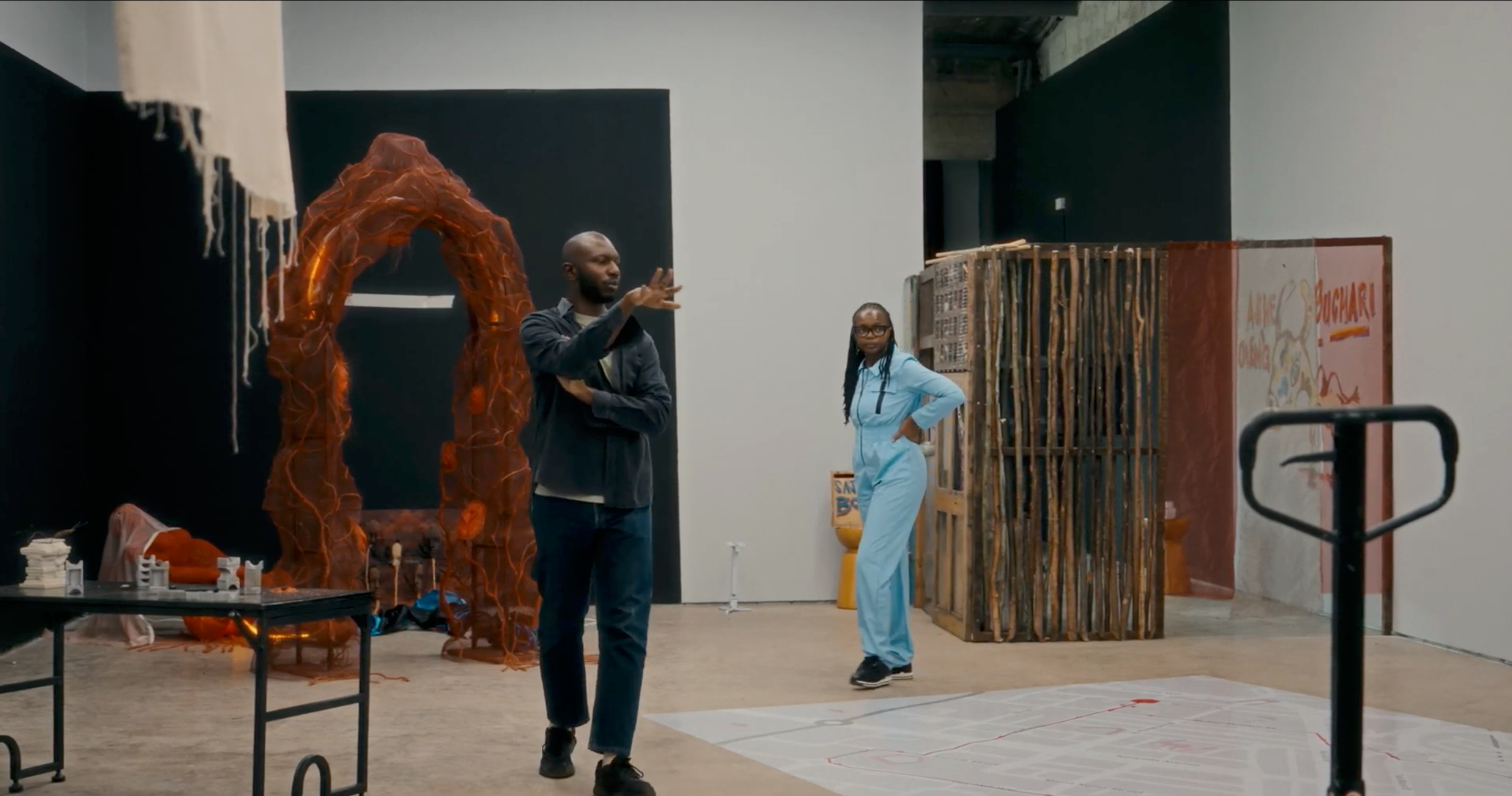
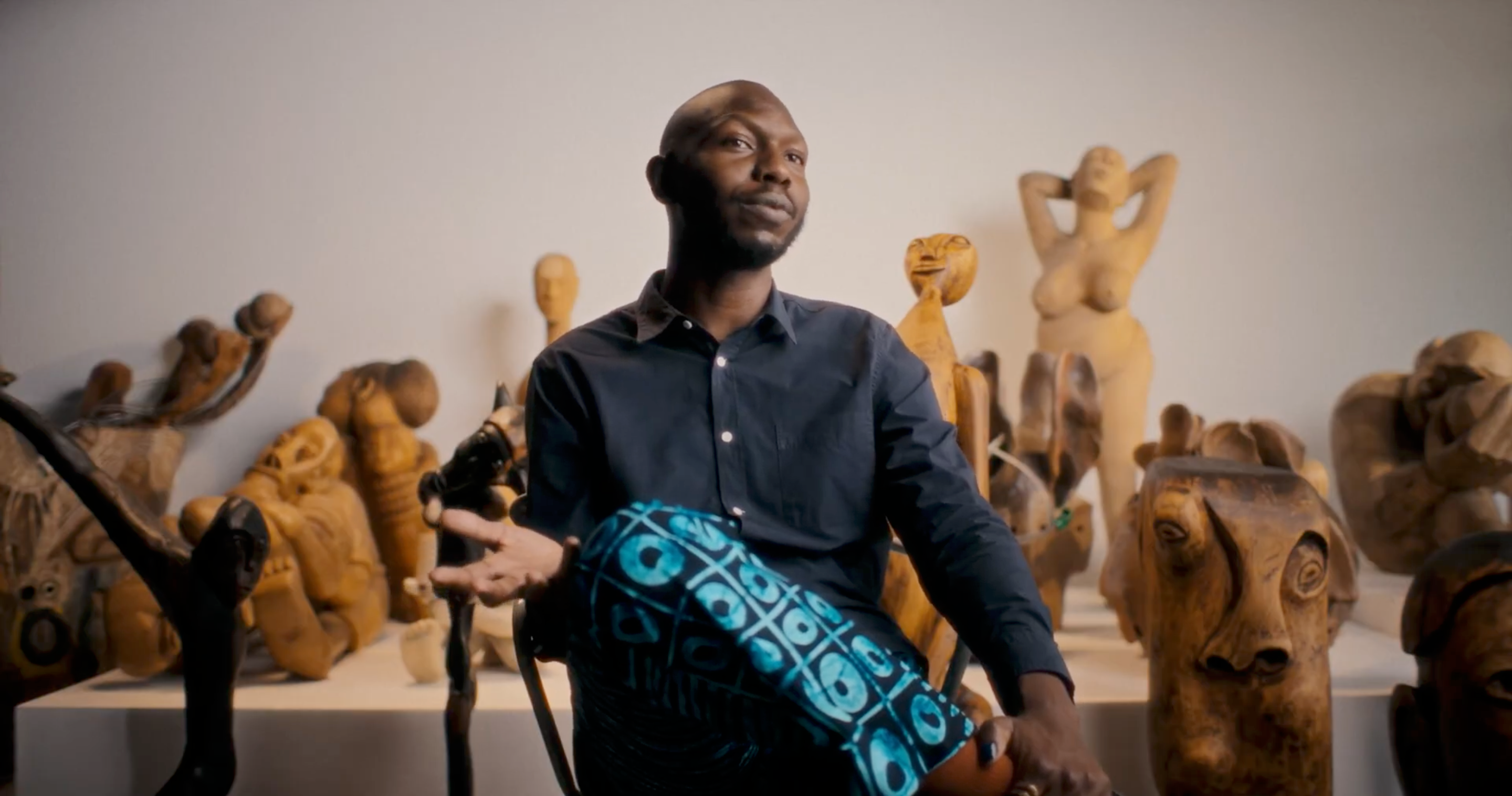
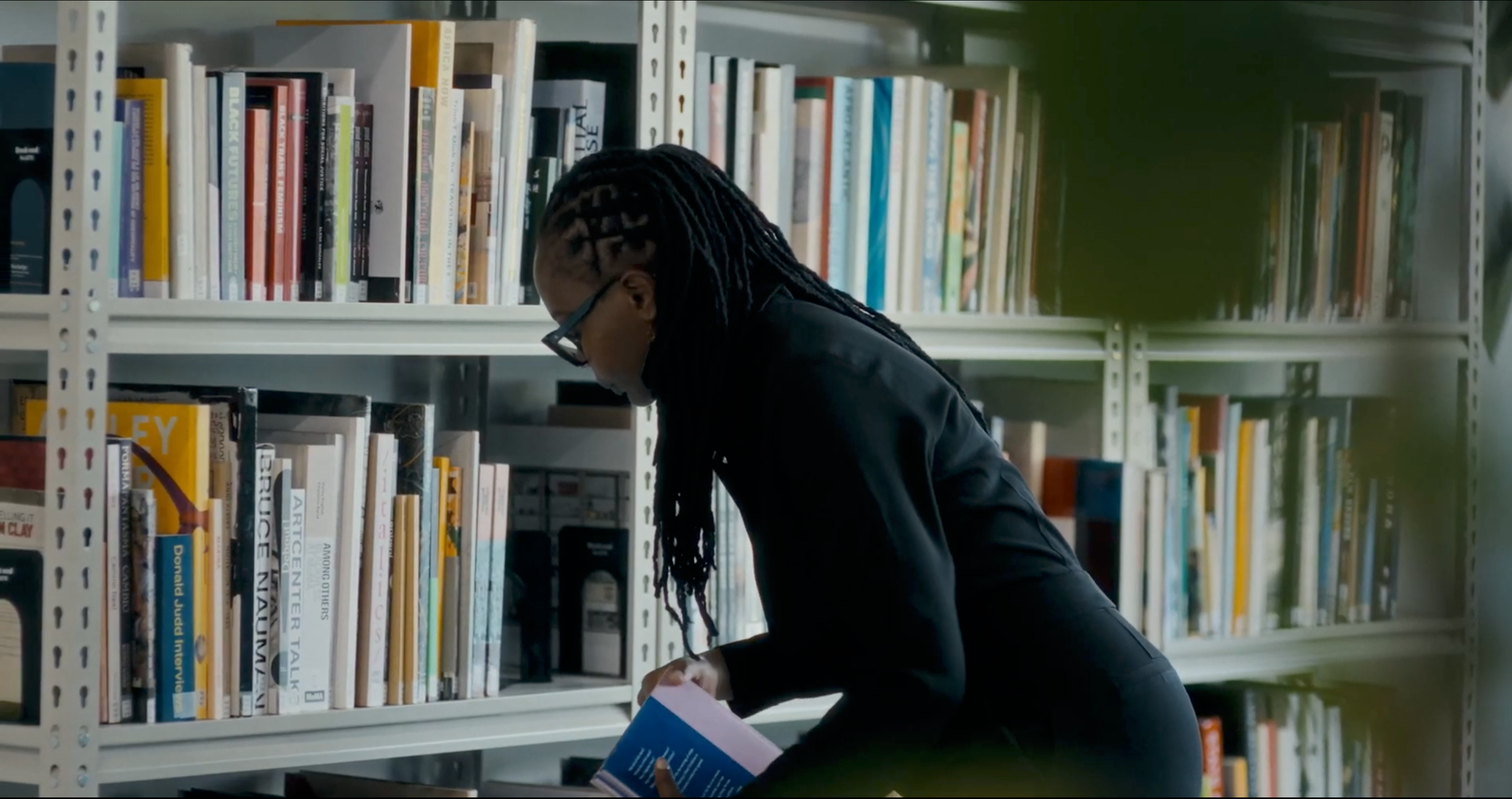
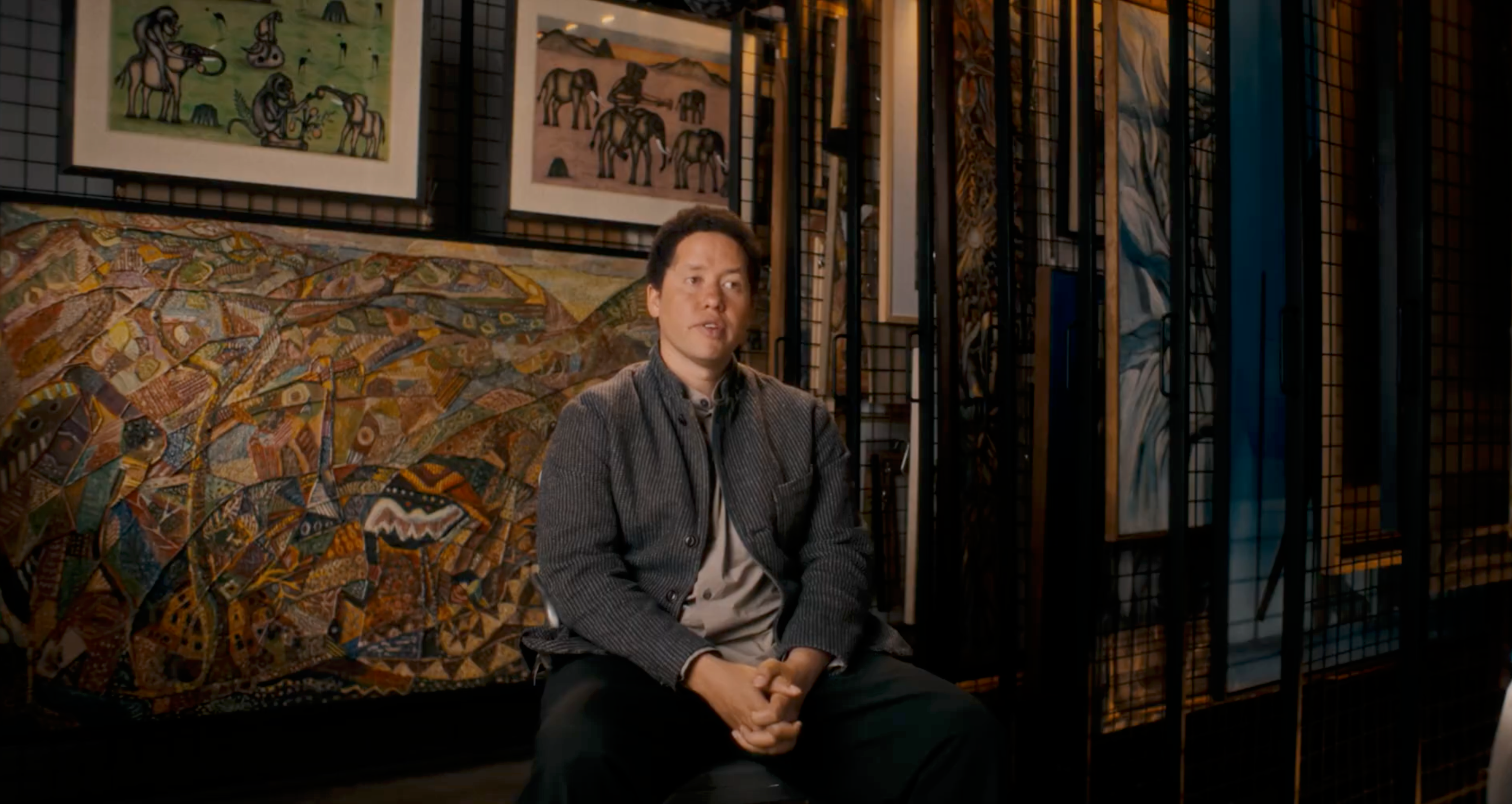
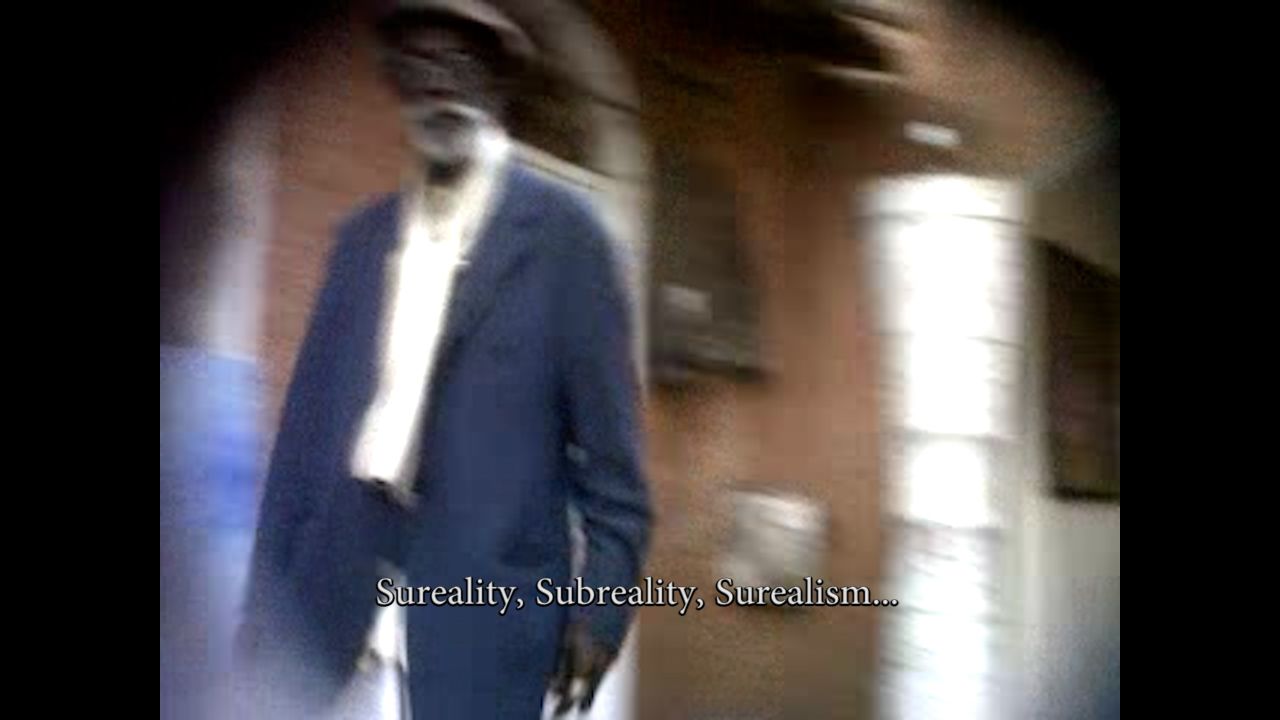
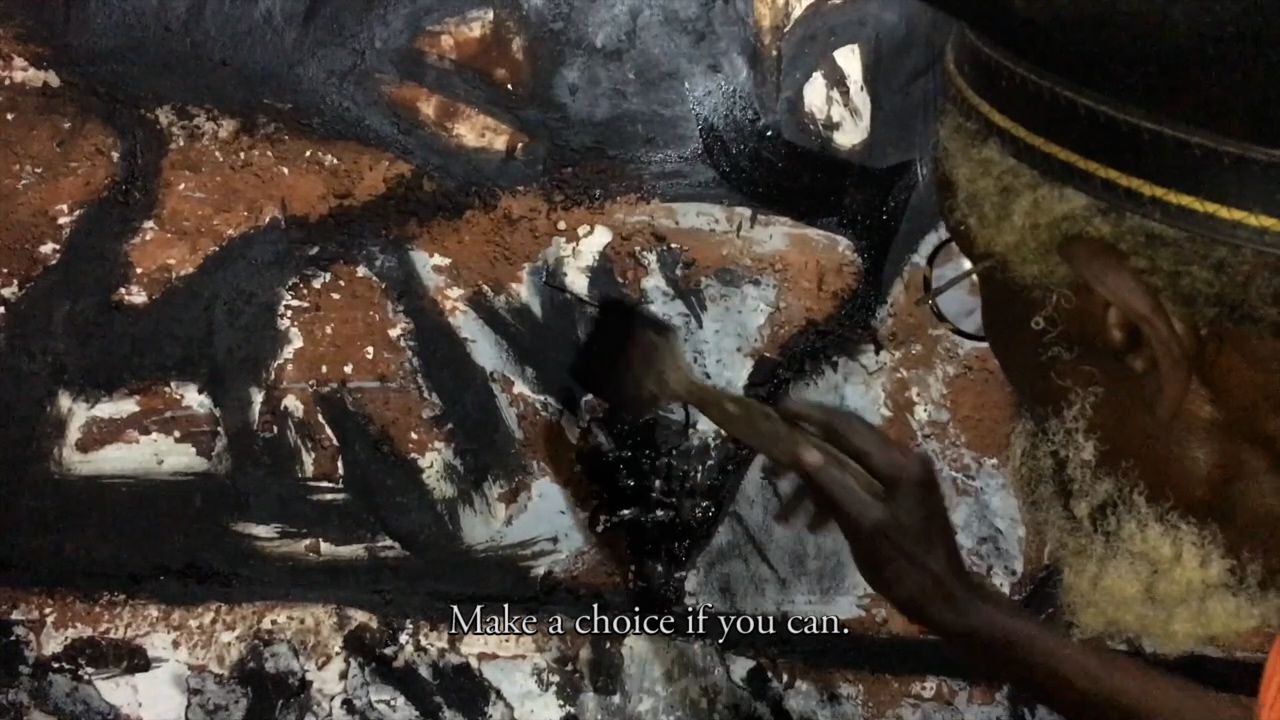
Bisi Silva borrowed her essay’s title from an essay by Ngũgĩ wa Thiong'o's in his 1993 collection Moving the Centre: The Struggle for Cultural Freedoms. At the beginning of the collection, wa Thiong’o recalls how Makerere University, where he enrolled in 1959, gave him the language to articulate his experience as an East African at the dawn of independence. In those same years, and at the same university, this language was also being explored by a generation of artists that would redefine the language of African aesthetics. Some of these artists — including Sam Joseph Ntiro, Elimo Njau, and Asaph Ng’ethe Macua — represent the Nairobi Contemporary Art Institute (NCAI) at the Central Pavilion at the Giardini. Their works and voices animate the space that hosts NCAI, an institution founded in 2020. In line with the other Schools, NCAI is an artistic infrastructure for gathering and exchange that promotes, within its local East African context, a new pedagogical model. “Repeatedly, people would say,” recalls Michael Armitage in the video installed in the space, “we needed a different type of higher education to what was currently available.” Through workshops, mentorship programs, and free access to exhibition and library spaces, NCAI centers as much on the artistic present as on the long concealed visualities of the past.
The importance placed on that epistemic genealogy takes visible form in the room that houses NCAI’s work The Enduring Legacy of Makerere University. The room contains eight paintings from the NCAI collection, with a timeline or thread created by Margaret Nagawa running above them along the four walls. Like the fifth line of a musical staff, the thread is punctuated along the upper space by short chronological anecdotes that intone the historical path of the Makerere Art School, inaugurated in 1921 with the founding of Makerere College. Echoing the choreography of red lines that runs across Thompson's map, the trajectory of this line is relational. People and time are interwoven with an irregular regularity that extends beyond the Central Pavilion walls and, like tangled waterways that open up to the shore, joins the relational confluence whose foundation, as Mbembe reminds us, is sustained by a generational debt toward the living, the dead, and the yet to be born.
In the curatorial practice of their respective institutions, this debt and recognition is repaid in its own way by each of the four African Schools presented at the Biennale. The Schools refuse the fallacies of official language, creating artistic refuges — from Dakar to Nairobi, by way of Kumasi, Lagos and Ikiṣẹ — where people can come together and speak, as Elizabeth Alexander puts it in The Black Interior (2004), “to each other in tongues audible.” These tongues do not shout, they whisper. And in their quotidian praxis they weave lineages of thought, knowledge, and kinship that outlive the ephemeral. Born in the local and emplacing themselves in the global art ecology, these lineages continue to reverberate in minor keys even when time falls still.
This essay, featured in C& Magazine’s AfterBiennales series, was co-commissioned with Yinka Shonibare Foundation (Y.S.F.) and Guest Artists Space (G.A.S.) Foundation as part of their inaugural publishing series Archive Futures. Translated from Italian by Candice Whitney.
About the author
Theophilus Imani
Theophilus Imani is a visual researcher whose work examines the representation of the Black body in diasporic visual culture. His practice weaves together archival research, visual criticism, and artistic production. Imani has served as a guest lecturer for the Visual Research Methods course at the University of Padua (Italy) and his work is held in the collections of MUDEC and Triennale Milano. He undertook G.A.S. Foundation's Annotations Residency in 2024.
Essay
Black Orpheus: Who Gets to Frame a Black Cultural Canon?
Public Fiction: How Art Drafts Realities
When We Gather: On the Not-Yet-Become in Lagos
Essay
The Aftercycle: Speculations on Responsive Touch and Restituted Objects
Sounding the Ocean: Spiral Networks of Remembrance and Elation